How safe is Gorilla Trekking in Uganda and Rwanda?
How safe is Gorilla Trekking in Uganda and Rwanda? While gorilla trekking and safari is typically classified as a high-risk outdoor activity, Park Officials and Gorilla Conservationists report that gorilla trekking in both Rwanda (Volcanoes National Park) and Uganda (Bwindi and Mgahinga National Parks) is extremely safe.
The extensive security measures are among the most rigorous for African wildlife tourism and are divided into three categories: Political Stability; Physical Safety from Wildlife; and Health Security for Gorillas.
1. Political Stability and Safety.
One safety factor to consider when visiting a developing country is climate and political stability. To achieve climate and political stability, Rwanda and Uganda dollar-for-dollar reinvest in areas adjacent to national parks as a high-priority investment for their tourism-based economies.
Trekking Areas Protected By Government Forces: All trekking areas located within the boundaries of the two countries are protected by government forces who regularly patrol and monitor them while assisting local park rangers. In Rwanda, park rangers work with the Rwanda Development Board (RDB) and the military, whereas in Uganda, the Uganda Wildlife Authority (UWA) cooperates with the Ugandan military and provides a heavily armed security team for its trekking areas. Therefore, while trekking in these places, every group of trekkers has at least two armed park rangers accompanying them and in most cases, there is even a third ranger for additional security, with the sole purpose of protecting trekkers from any possible harm (e.g., attack from a wild animal or human).
Safety Record of Trekking Areas: These two countries have a very safe history regarding safety in trekking areas for tourists; incidents involving a tourist while trekking are extremely rare and confirm how well both governments and conservation agencies are managing security and monitoring efforts.
2.Physical Safety when Trekking.
Even though the areas for trekking are natural wild terrains, the actual dangers of hiking through these places have been minimized by the best planning and enforcement of regulations on trekking for all visitors.
Physical Risk: The most significant risk for trekking in mountainous terrains such as Uganda and Rwanda is injury caused by walking on steep and uneven surfaces with an abundance of root masses and large mud-filled areas.
Visitors are strongly encouraged to wear strong, waterproof hiking boots that provide ample ankle support while hiking in these areas. Additionally, visitors may wish to bring a trekking pole or other similar device to assist in moving the steep slopes and through the muddy areas.
Porters, hired locally, are the best way to assure tourists’ safety while visiting an area that includes hiking. A local porter carries a tourist’s luggage, as well as helps a tourist walk up slopes by pulling them along and helping to keep them balanced while on the way down. This reduces a tourist’s chance of falling and injuring themselves, and allows them to get the most from their visit.
The porters also have been born and raised in the area. They have a thorough understanding of what routes to take and what the conditions are to get to the location, so they will be able to assist a tourist in selecting the best way to visit the area.
3.Safety protocols for wildlife encounters.
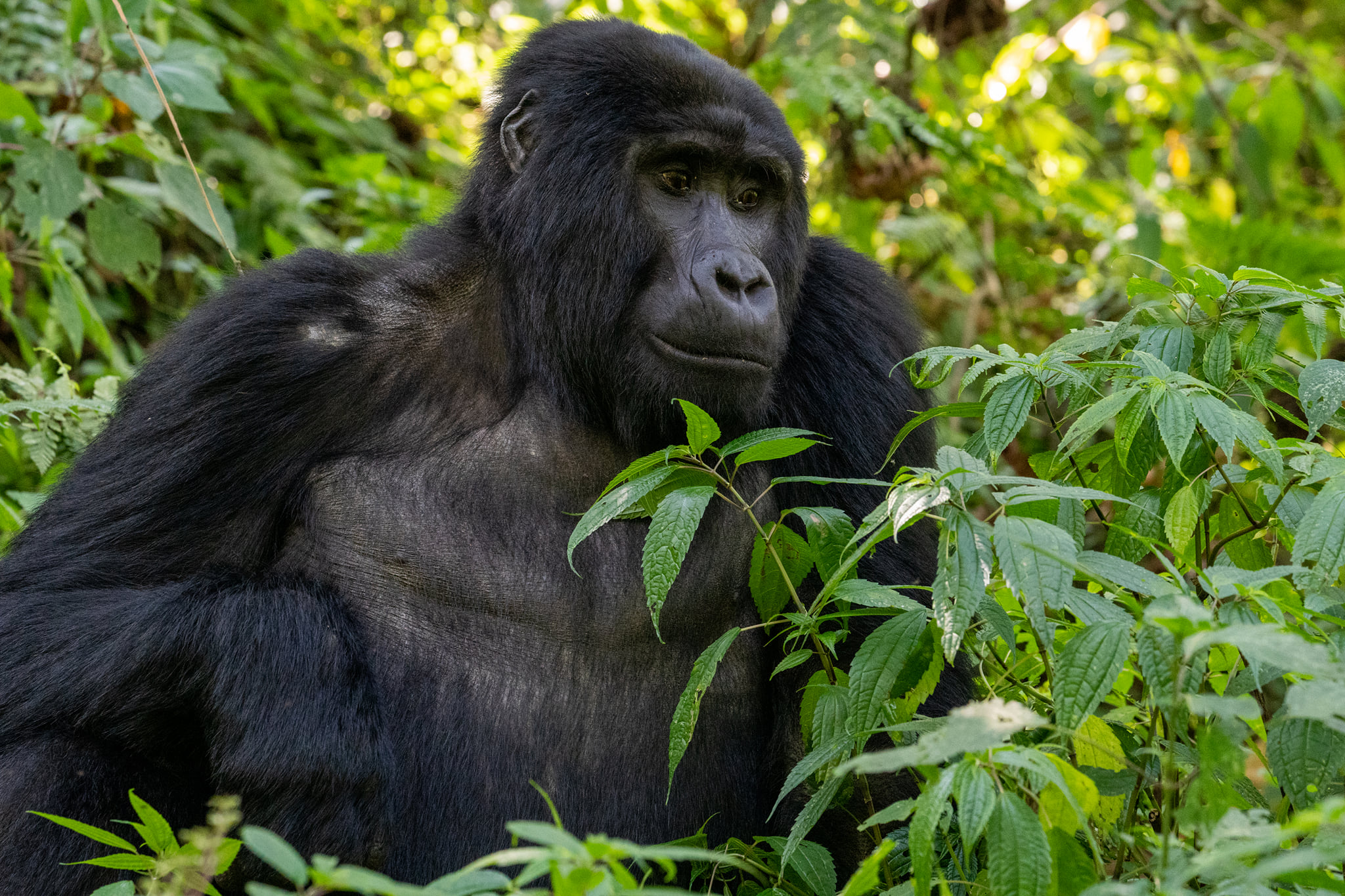
The Mountain Gorillas have adapted they are used to seeing people. Although a gorilla could exhibit signs that may cause concern or frighten a visitor, the rangers and guides are in full control of the situation.
A Guide’s Training: A Guide is the individual who has a complete knowledge and understanding of how gorillas behave. A professional guide will know how to behave based upon a number of different types of behaviors of gorillas, such as: the display of chest-beating and what appears to be a mock charge by a silverback will be a display of dominance, not an aggressive act. Additionally, all visiting tourists are instructed to maintain their composure, do not look directly into the eyes of the gorilla, and immediately follow any instructions from the guide. In most cases, all tourists will be asked to crouch down close to the ground.
The 7-Meter Distance Rule. This distance is very important to ensure both a tourist’s safety and continued good health for the gorillas. The 7-meter distance removes any chance of a defensive encounter by either species and, more importantly, allows for continued safety for both species.
4. Health and Hygiene- The Protection of the Primates.
The top priority when trekking gorillas is to protect the health of the gorillas, not the tourists. Since gorillas share 98% of their genetic makeup with humans, they are at an increased risk of contracting viruses such as the common cold, flu, and others.
The tourist’s health is monitored through the completion of a mandatory health check prior to trekking. If the visitor displays symptoms of being ill (coughing, flu, fever, and others.) he/she will not be allowed to trek. The visitor will either be rescheduled or receive a refund for their trek purchase. The rule regarding the mandatory health check is one of the most important safeguards established by the UWA and RDB departments in an effort to prevent an epidemic within the gorilla population.
When trekking, tourists are required to wear surgical masks, especially when in close to the gorilla family. The use of masks provides a protective barrier against droplet transmission of viruses and is a primary component of the health and safety protocol established for gorilla trekking.
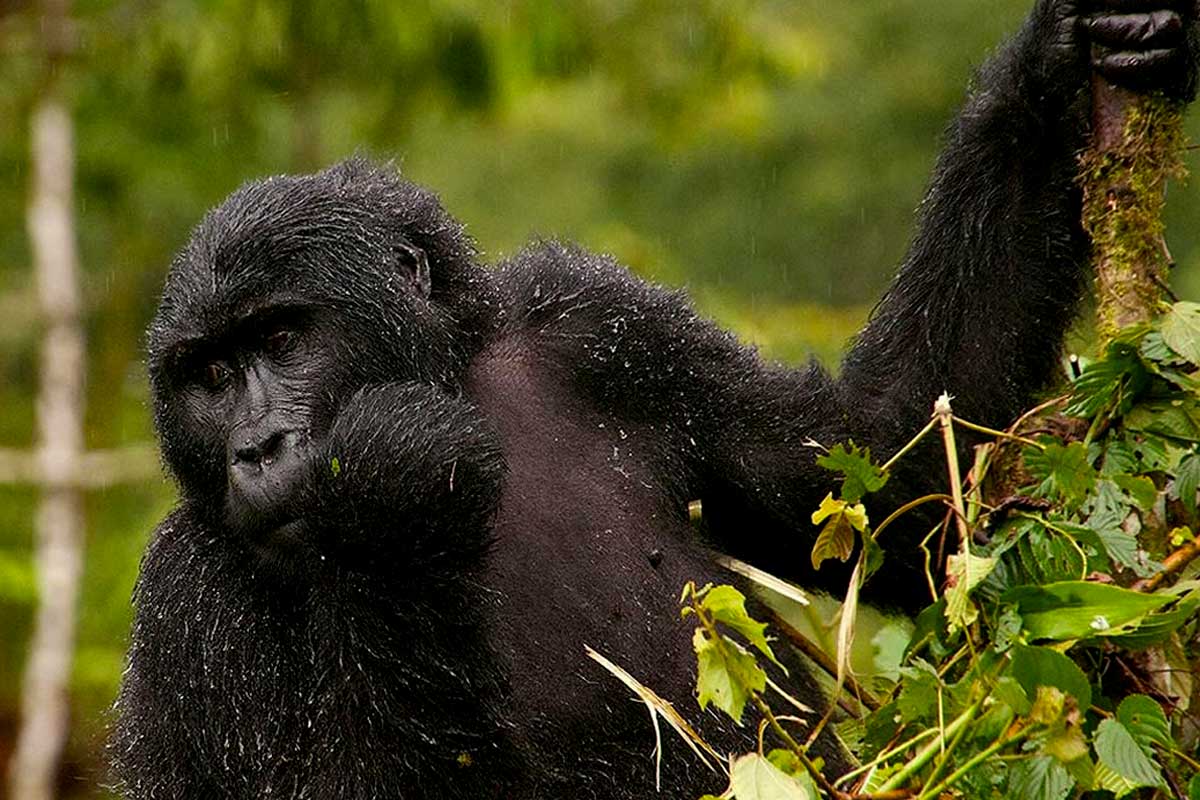
Gorilla trekking can be described as an experience that is well managed within a highly effective and secure system. The most considerable risk associated with this activity has been minimized through the employment of armed rangers, knowledgeable guides, and the requirement that all visitors employ the services of a porter to assist them during their trekking experience. Thus, the majority of the trekking experience can be classified as safe and controlled, allowing visitors to truly appreciate this once-in-a-lifetime experience with these amazing creatures with Nyumbu Beyond Journeys.