Everything To know About Rwanda Gorilla Trekking
Everything To know about Rwanda Gorilla Trekking , with its beautiful scenery, Rwanda has earned itself the nickname of being “The Land of A Thousand Hills.” One of the most remarkable wildlife experiences on the planet can be had through gorilla trekking in Rwanda. There is no other country that provides such an amazing experience as the Volcanoes National Park has for visitors to observe our closest relatives, the Mountain Gorillas.
The location of the trekking takes center stage at the Volcanoes National Park, which is well known for its organization, emphasis on conservation, and luxury lodge accommodations. It will be important for you to understand how gorilla trekking works, what costs are involved, and what regulations you must comply with prior to enjoying this rewarding experience.
1. Volcanoes National Park (VNP)—Where you will go gorilla trekking.
All gorilla trekking will occur in Volcanoes National Park, which is located at the base of the Virunga Mountains, an area that encompasses eight major volcanoes that lie on the border between Uganda and the Democratic Republic of Congo. The park is located only a few kilometers from the capital city, Kigali, and there is a road connecting the two locations. You will have an easy drive of only two to three hours from your arrival at Kigali International Airport (KGL) to the headquarters of Volcanoes National Park in Kinigi, meaning you will have no issue getting to your home camp at a nearby luxury lodge and being ready to trek the next morning with little chance of being tired when you get there.
2: Permits, Cost and Conservation.
The most important aspect of planning is purchasing a gorilla trekking permit.
Cost and value: The gorilla trekking permit in Rwanda is set at US $1,500 per person. This makes Rwanda’s permit an extremely high-priced wildlife permit as compared to other countries around the world. The $1,500 cost reflects Rwanda’s tourism philosophy of high value, low volume. The revenue generated from gorilla permits is needed for consistent protection and monitoring as well as veterinary service for these highly endangered mountain gorillas.
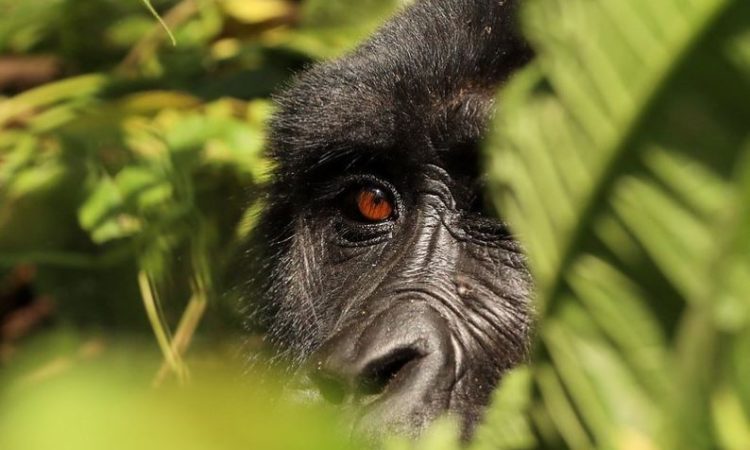
Reservations for permits are required and should be booked as far in advance as possible. Permits can only be purchased through the RDB (Rwanda Development Board) or an officially registered tourism operator in Rwanda like Nyumbu Beyond Journeys. There are only 96 permits available per day.
3. Trekking Day Schedule.
The schedule for trekking through the national park is very structured. It is designed to ensure the safety and well-being of the trekkers.
Morning briefing (7:00 am): All trekkers must meet at Kinigi Park Headquarters. After a tour ensemble performance, groups of eight will be assigned based on each group’s physical fitness level and the location of the gorilla family. RDB gives priority to less active and/or older persons for less strenuous treks to ensure a safe and enjoyable trek for all.
The Treks: Transport will be provided by vehicle to get to the trailheads. The duration of each trek will be based on the family’s overnight location and will range from 30 minutes to 8+ hours. The treks themselves can be challenging; they will typically involve ascending steep hills in areas of thick bamboo and dense underbrush. Based on their prior extensive work in the field, trackers (and guides) leave early morning hours to locate and provide guidance to the team so they can find the family.
5. The Encounter.
Once the gorillas have been located, the amount of time allowed to watch/educate you is limited to one hour. The one-hour period is strictly adhered to in order to reduce the number of disturbances caused by humans. You are required to maintain an approximate distance of 7 meters from the gorillas during that time and to keep quiet. For many visitors, the experience of observing silverbacks, mothers, and playful juveniles interact in their natural environment is one of the major highlights of their entire journey to the region.
6. Important Rules, Regulations, and Etiquette.
As a precaution against the transmission of human diseases to gorillas (who are extremely vulnerable to illness), rigorous protocols and etiquette ensure their protection through the following:
Age Minimum: Individuals wishing to participate in gorilla trekking in Rwanda must be a minimum of fifteen (15) years old. This rule is carefully enforced to ensure the safety of all individuals participating in gorilla trekking and to reduce the number of potential illnesses being transferred to gorillas from infants/children who have a high chance of being affected by minor illnesses (coughs, colds).
Distance and Health: Please keep at least 7 meters away from gorillas. If you have any illness, even a cold, please inform your guide so that you may be prevented from trekking in order to protect against any potential transmission of illness.
Gorilla Behavior: Flash photography is not permitted. You must speak softly while with gorillas (or before and after seeing gorillas), refrain from pointing at gorillas, and not eat or smoke near them and if a gorilla comes near you, crouch down and do not maintain eye contact with it.
What to Take: Preparing yourself properly is important to stay safe, warm and comfortable while trekking in the high-altitude rainforest.
Footwear: Sturdy, waterproof hiking boots with good ankle support.
Clothing: Thick long pants (tucked into socks), a long-sleeved shirt and thick gardening gloves (to protect your hands when grabbing plants without cutting them).
Layers: A waterproof jacket and warm fleece or jumper (the temperature will likely be cool at the trailhead) and a hat for protection from the sun.
You will need to bring sunscreen, insect repellent, a camera (no flash), and at least 2 liters of drinking water.
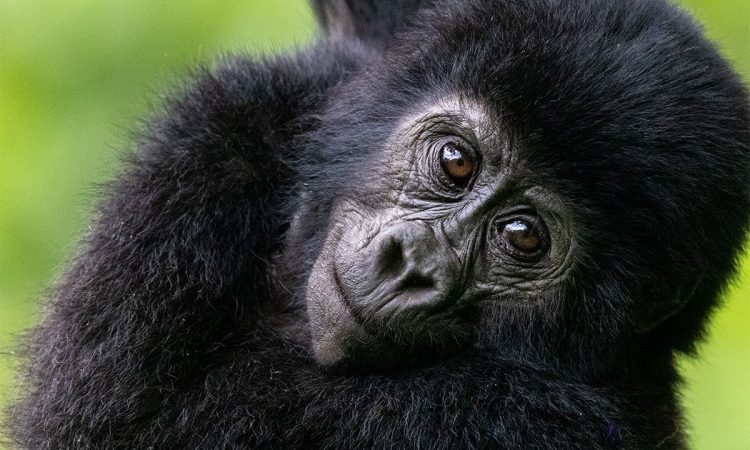
Local Porters: Consider hiring a local porter to assist with the steep and slippery portions of your trek. The cost is typically between $15 and $20. In addition to assisting with your gear, local porters provide employment to many members of their community.
The trek through Rwanda is a physical challenge but the rewards will be great. You will have an opportunity to indirectly contribute to the conservation of this incredible species through your support of the best conservation program in the world.