
15 East African Safari photography Tips.
A safari in East Africa is a once-in-a-lifetime experience for any nature lover and will make for amazing photographs. There will be plenty of opportunities for photos, from the incredible, open plains of Serengeti and Maasai Mara to the lush, misty forests of Bwindi and the stunning lakes of the Great Rift Valley.
Capturing these experiences takes more than just a fantastic camera and lens. Taking photographs on safari includes preparation, patience and understanding your location. Here are 15 simple but powerful photography tips to help you get excellent photos from your safari adventure in East Africa.

1. Know Your Camera.
Spend time before your safari learning how your camera works. Know how to adjust settings such as shutter speed, aperture and ISO. Familiarity with your camera will allow you to take time photographing an animal with little difficulty when the opportunity arises, especially if a lion decides to walk by or a bird flies overhead. Learn to use manual settings and also understand how auto-settings or presets work, when necessary.
2. Select an Optimum Zoom Lens.
Wildlife can be a distance away, and getting too close can disturb them and may even be unsafe. A stronger zoom lens in the range of 200 – 400mm allows you to achieve sharp images while still being a safe distance away. Additionally, you can keep a second camera body with a wide-angle lens in the event of a scenic landscape.
3. Shoot Invitations of Golden Hour.
The best light for safari photography is early in the morning and late in the afternoon. These “golden hours” provide warm, soft light that enhances color and texture. Conversely, the sunlight rays in midday can be very harsh, making it a fantastic time to rest and edit your photos.
4. Patience is Key.
In the art of photography while on African safari or at the game lodge, patience is one of the top six important ways of photography. Wildlife does not perform at our command. You may have to sit and wait for more than thirty minutes or possibly hours before an animal appears or exhibits stimulating behavior. While the best photographs may be produced from quietly stalking animals, observing animals.
5. Focus on the Eyes.
When shooting wildlife, strive to always focus on their eyes. Sharp eyes make for the perfect wildlife photographs because eyes form a connection between the viewer and the animal and bring a picture to life. No matter if it is a lion, a gorilla, or an elephant, the eyes tell a powerful story.
6. Take Pictures of Animal Behaviors.
Photographing wildlife is not just about photographing standing animals. You should wait for the animal to perform an action, for example, a lion yawning, an elephant playing, or a bird catching food. These actions tell a story and animate your images.
7. Be Respectful of Wildlife—Keep Your Distance.
A photographer doesn’t interfere with nature. Therefore, you need to keep your distance from animals and be respectful. Don’t make noise or big movements that might scare the animal away. You want to photograph the animal in its natural behavior.
8. Shoot in Burst Mode.
Animals move quickly, and if you only take one shot, you may miss the perfect opportunity. You can either use continuous shooting or burst mode to take photos in rapid succession. You can pick the best image later.
9. Steady Your Camera.
When you shoot with a long lens, even the slightest shake can result in a blurred image. To reduce movement, use a beanbag or tripod, or you may rest your camera on a vehicle window. If shooting handheld, use faster shutter speeds to reduce
10. Be Mindful of the Background.
A clean and tidy background is going to make your picture stand out. It is worth taking a step to the side or changing your zoom setting so that branches or vehicles do not spoil your image. Clean backgrounds give your photos greater impact.
11. Include the Landscape.
While you have your subject zoomed in up close, do not forget to shoot wider shots of the scene. A big part of the story of the East African safari is the vast plains, acacia trees, and golden sunsets. Wide shots provide context and beauty to your collection.
12. Change Up Your Perspective.
Most people take photos from eye level; however, it is worth stretching the frame of your traditional photo. A lower angle can make it appear that the animal is larger and more powerful.
13. Pay Attention to the Lighting.
If it is too bright, follow the camera’s exposure compensation to reduce glare. On cloudy days, the colors are softer and subtler, which works perfectly for portraits and close-ups. Always remember to change your settings according to the light.
14. Safeguard Your Gear.
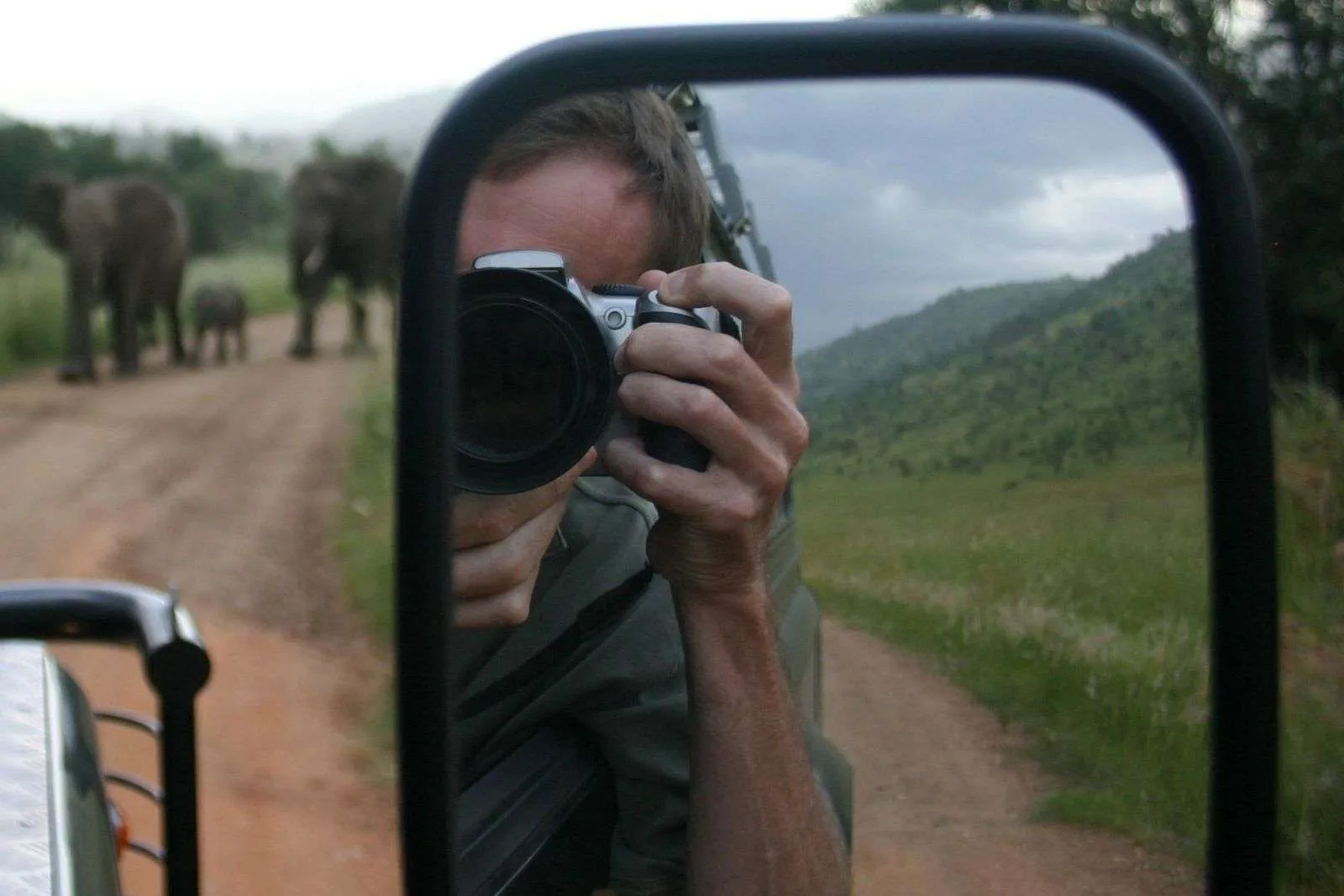
The conditions on safari may be dusty or wet so it is only common sense to protect your gear. Utilize camera covers, regularly clean the lens, and carry extra batteries and memory cards! You can also carry a soft cloth and small brush to keep your gear.
15. Tell A Story
Finally, good photography is about storytelling. Use a mix of animal portraits, landscapes, and moments with people—possibly Maasai warriors or local guides—to tell the whole story of your safari.