Top 5 Wildlife Experiences In Burundi.
Though often overshadowed by its larger East African neighbors, Burundi is a small landlocked country lying in the Great Rift Valley with a wealth of rare natural opportunities. Stunning landscapes abound; from the shores of Lake Tanganyika to striking mountain rainforests.
For the discerning wildlife lover, off-the-beaten path experiences abound in Burundi that are rare, if not impossible, to replicate elsewhere on the continent. Here are the top five distinct encounters to highlight the country’s diverse wildlife.
1. Chimpanzee Trekking.
While chimpanzee trekking is a popular option in Uganda and Rwanda, the experience at Kibira National Park in Burundi is much quieter and more exclusive. Kibira is a large high-altitude rainforest that was once the continuation of Nyungwe Forest in Rwanda. This wildlife is important because it hosts a large number of chimpanzees. The experience is much more personal than the larger treks to encounter chimpanzees elsewhere. Visitors walk through montane vegetation with expert guides, but they have a better chance of encountering chimps while feeding or nesting.
2. The Nile’s Source.
One of the most curious geographic and historical sites found in Burundi is the officially approved southernmost source of the Nile. It is situated in the furthest southern region of the country, near Rutovu, and is, in fact, a different type of wildlife experience: a naturally occurring physiological phenomenon that underpins the biodiversity of East Africa. The site is marked by a pyramid and plaque indicating that this is where the Ruvyironza River begins, making its way to the River Rurubu, which then becomes the Kagera River, the longest and largest feed of Lake Victoria and consequently the Nile River.
Here you will have the opportunity to trace the first drops of the longest river in the world and see a variety of small stream-dwelling birds, amphibians, and interesting plants in numerous micro-habitats. It is a near-natural pilgrimage where you are reminded of the importance of the Nile River to the ecosystem of an entire continent.
3. The Mysterious Shoebill Stork at Rusizi National Park.
Rusizi National Park, situated close to the capital city of Bujumbura, is an important wetland area for the Rusizi River as it begins to drain into Lake Tanganyika. This park is the most accessible place in Burundi to enjoy a rare and special ornithological encounter: the Shoebill Stork (Balaeniceps rex). This large bird can quickly be recognized by its remarkable, shoe-shaped bill and its prehistoric form. Shoebills are known to be incredibly rare and difficult to find over their range; however, the marsh and reed beds of Rusizi provide the ideal habitat and a boat safari in the wetlands will give you the best chance to see this incredible solitary bird standing still and hunting for fish and frogs. When you see a Shoebill here, it will be something special for birdwatchers, as they will see an endangered species in the wild up-close, while one of the major lakes in the Great Rift Valley frames the view behind.
4. Lake Tanganyika’s Special Aquatic Biodiversity.
Burundi has a large section of the northern shore of Lake Tanganyika, the earth’s second deepest freshwater lake. This massive lake is a global hotspot for aquatic biodiversity and is famous for an incredibly abundant number of endemic cichlids (small, brightly colored fish). With over 250 species of cichlids found nowhere else on the planet, Lake Tanganyika is referred to as the Galapagos Islands of fish because of its evolutionary nature. Although not viewing wildlife on land, Lake Tanganyika can provide a stunning, if not unique, underwater wildlife experience.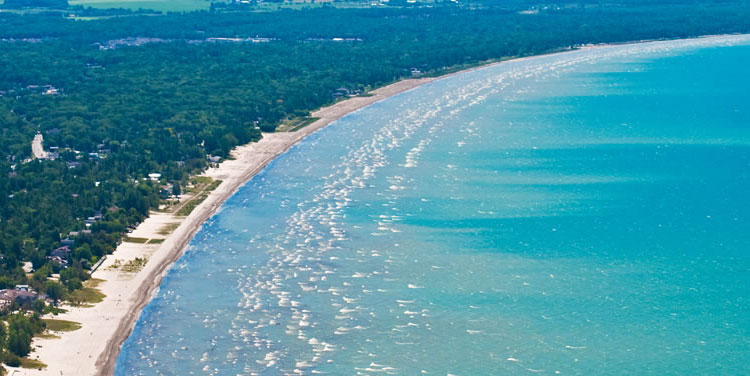
While traditional tourism may not fully tap into this, simply standing on the promenade provides a sense of the vast, unspoiled nature of this inland sea. But for those choosing to snorkel or dive, the experience of swimming alongside hundreds of uniquely evolved fish species that have been isolated in this environment for thousands of years is a truly rare Darwinian experience.
5. Some of the world’s rare montane wildlife; Bururi Forest Nature Reserve.
The Bururi Forest Nature Reserve, one of the rarest ecosystems left in Burundi, offers a peek into what remains of the mid-altitude rainforest, on the Congo-Nile divide, this cool, misty reserve is home to a variety of threatened species. It is also an excellent place to birdwatch and track primates, such as L’Hoest’s Monkey, a handsome dark-furred primate with a unique white ruff.
While L’Hoest’s monkeys can also be seen in other Central African countries, the winding, quiet trails of Bururi provide a more intimate trek away from any tourist crowds. Also found in the reserve are rare forest duikers and an incredible variety of orchids, butterflies, and other invertebrates endemic to this area. The specific altitude and location make this forest a biological refuge and an opportunity to view a biodiversity that is very different from other regions in Burundi.