
How climate change is affecting the glaciers of Rwenzori
The Rwenzori Mountains, also known by their nickname, ‘Mountains of the Moon’ are considered one of the most unique and diverse places on Earth because of the vast number of species that occur only on these mountains. The beautiful ‘mists’ that hang around their summits created a special atmosphere while providing an incredible setting for those who explore them.
As an important note, the Rwenzori Mountains contain one of the few remaining large clusters of glaciers located directly adjacent to the equator; however, due to climate change, the glaciers that were once a magnificent sight are now rapidly diminishing, representing the most visible and tangible way to understand how our planet’s climate is changing.
This crisis isn’t just a problem for some people in another part of the world, but rather, for everybody on Earth; as a result, the glaciers represent yet another example of why travelers have an extremely brief but necessary opportunity (and moral responsibility) to witness these beautiful landscapes before the glaciers are gone forever.
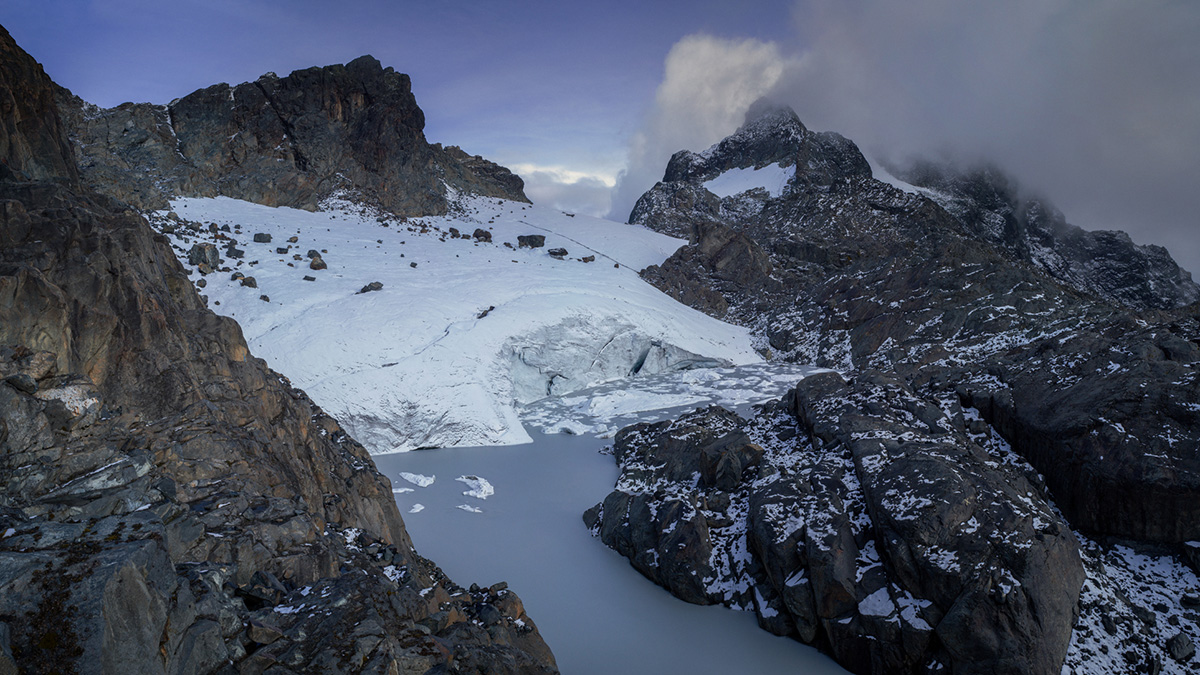
Rapid Receding Glaciers
The glaciers on the Rwenzori Mountains are melting at an unprecedented rate due to several factors, including increasing temperatures globally. As well, changing local weather patterns have created extremely high humidity levels throughout the eastern side of Africa, which has caused increased erosion on the mountains’ tops.
Accelerated Loss.
Evidence from a scientific study shows that the glaciers covering the Rwenzori Mountains have decreased in total area by more than 90% in the past century. While formerly, many areas of the mountain were home to masses of snow and ice, now most of the snow and ice can only be found in a few remote, high areas (the peak of Mount Stanley).
The glaciers found atop the Rwenzoris have been disappearing at a rapid pace; mainly because of the exceptionally high average maximum temperature at higher elevations. As air temperature rises, glaciers will also begin melting more rapidly due to higher air temperatures and decreasing snow precipitation.
The glaciers will not have any replenishment of their ice since much of the precipitation has changed from being snow to rain, which causes increased melting. If current temperatures stay mainly at their current trend, it is likely that all of the glaciers will be gone in two decades or less. This rapid recession of the glaciers is an environmentally destructive process that creates an irreversible impact on the local mountain’s ecosystem.
Human and Environmental Effects.
The lack of glaciers creates immediate problems for local inhabitants and generally for the local environment. Glaciers previously provided a steady supply of water that flowed down local rivers and maintained a healthy river ecosystem during the driest part of the year.
Many residents rely on those rivers for drinking water and agriculture after the glaciers stop providing consistent meltwater each season. Once the glaciers no longer exist, the rivers will only receive water from unpredictable rainfall, which creates severe water shortages due to seasonal fluctuations and will dramatically affect the agriculture-based economy. Additionally, the Afro-alpine moorland ecosystem where the glaciers are found contains unique plant species that would not survive the loss of their cool and moist environment created by the glacier.
Why You Should Go To The Rwenzori Mountains Right Now.
The Rwenzori Mountains are changing tremendously and it is an amazing place to go, but more importantly, a unique opportunity to see where we’re losing our earth’s natural heritage.
Experience Something That Will Be Lost Forever.
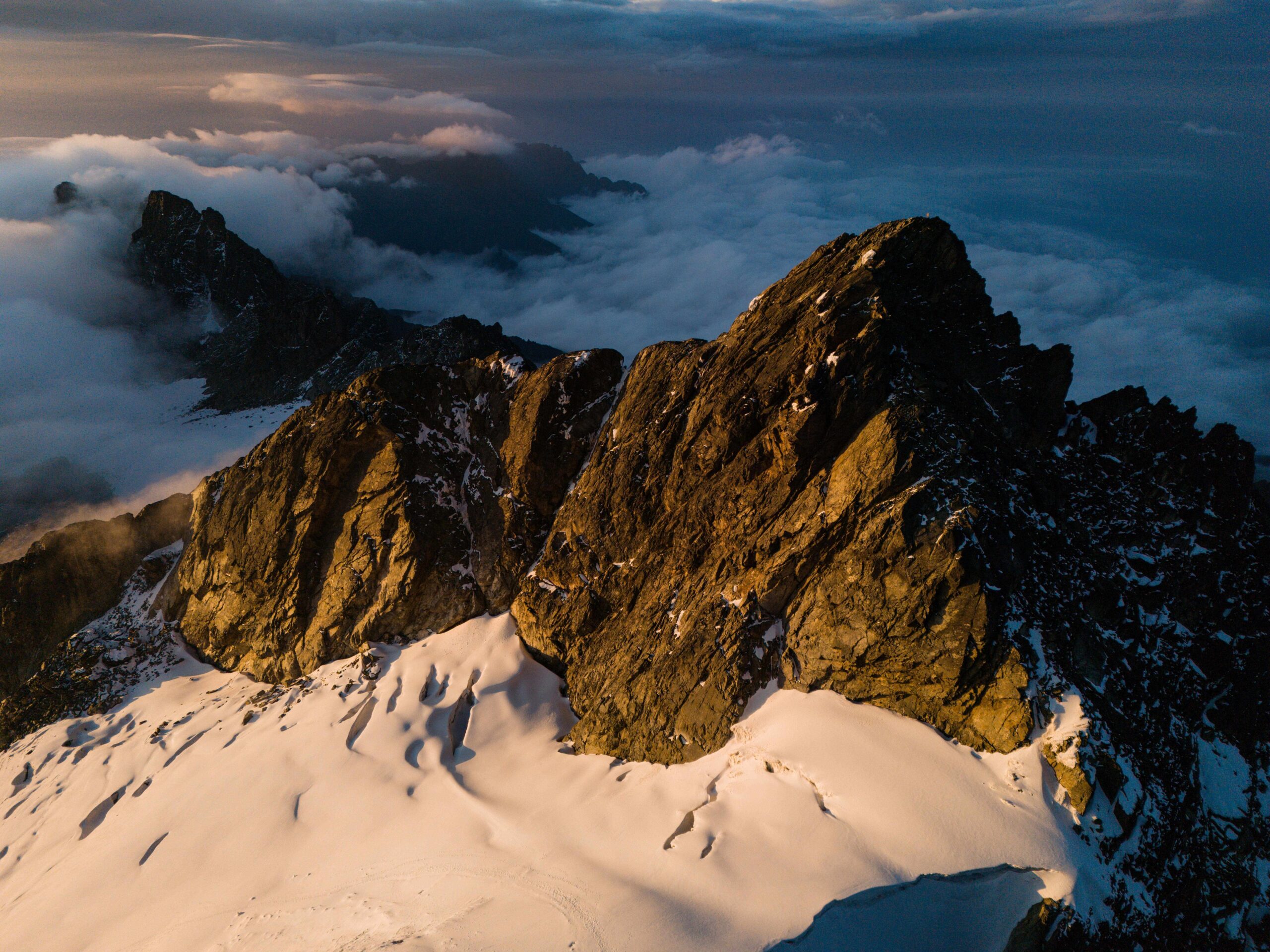
If you are lucky enough to be able to go hiking in Rwenzori right now whether on a week-long expedition or a short one-day trek on the Mahoma Loop you will see the equatorial glaciers before they become extinct. Seeing firsthand the enormous, old ice structures provides more than just an emotional experience; it gives a wealth of information that goes far beyond what is available from a video, movie, book, or picture. It is a strong, visual reminder of the serious effects of getting hotter and hotter.
Contribute Directly to the increasing conservation efforts being pursued in the Rwenzori Mountains National Park as well as the social fabric of the local community with your visit. Your trekking fees and permits will ultimately become additional financial support for the Uganda Wildlife Authority through its anti-poaching patrols, habitat monitoring and its revenue-sharing program for the local Bakonzo people.
In addition to being financial supporters, by using local guides and porters while trekking in the mountains, you will also provide them with a sustainable economic alternative to illegal logging and other activities that would adversely affect the delicate ecosystems. So, your very presence on the mountain will help to protect and conserve the remaining environment and support the community that protects and conserves it.
In conclusion, the Rwenzori Mountains offer you an incredible opportunity to witness one of the most spectacular natural wonders on the African continent. Visit today to see first-hand the remnants of the glaciers as well as to provide direct financial support for preserving the unique ecosystem and the livelihoods of the Bakonzo who call it home.