
Eco-tourism and Conservation in Rwenzori
Rwenzori Mountains National Park, also referred to as “Mountains of the Moon“, is located in Uganda and is an important ecological zone that faces serious threats due to climate change. As a UNESCO World Heritage Site, it has a very fragile ecosystem, which holds some of Africa’s last equatorial glaciers and relies heavily on ecotourism for its continued existence.
By visiting the park and paying the necessary fees, you are helping to fund conservation activities that protect this unique area from the rapid melting of the glaciers and from poverty and resource exploitation. When you wear trekking boots, you are essentially funding conservation.
Funding The Fight: Park Fees and Financial Sustainability
The funding received from treks/climbs, as part of park fee collections, will continue to support the backbone of conservation within Rwenzori Mountains National Park.
Direct Investment In Conservation
Most of the fees received from each visitor are sent to the Uganda Wildlife Authority (UWA) to be used for park management and operations, which include:
Anti-Poaching Patrols; Establishing ranger teams dedicated to policing the extensive park boundary to prevent illegal logging and hunting activities.
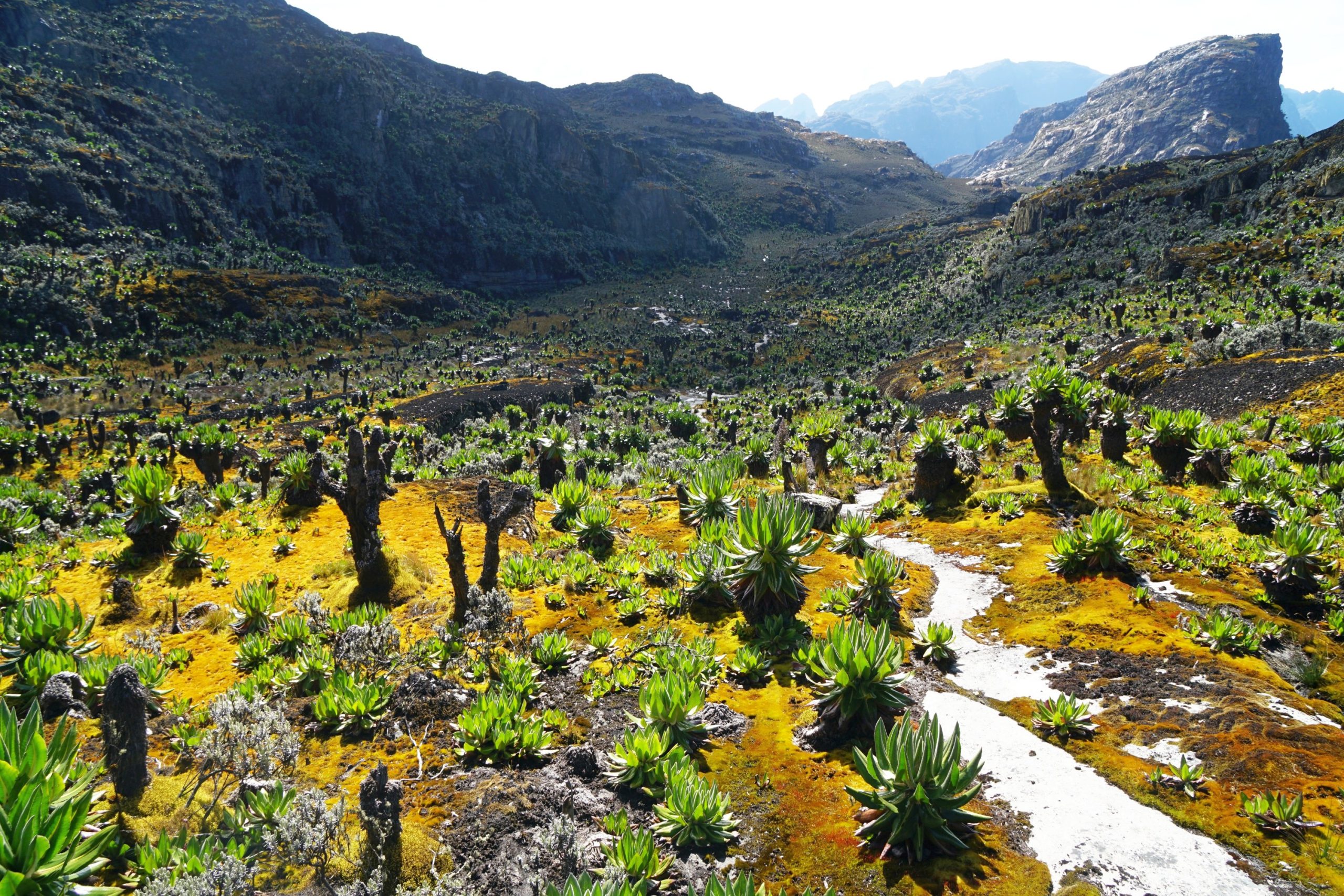
Habitat Management; The management of habitats includes supporting scientific research on the unique Afro-Alpine Vegetation as well as monitoring glacier health, which continues to shrink at an alarming rate.
Infrastructure Maintenance; The goal of proper infrastructure maintenance is to create sustainable trails and high-altitude camps. Additionally, minimizing human impact on the fragile ecosystem is extremely important for the health of the mountains.
The ability to carry out these critical high-altitude conservation projects would be virtually impossible without the ongoing/consistent funding generated from tourism, and the park would undoubtedly suffer degradation of the unique features it possesses and face continued rapid declines in those features.
Benefits. An incentive to protect the park.
Successful conservation efforts in areas with highly populated (foothills of Rwenzori) areas rely heavily on the cooperation and support of local people (the Bakonzo community) to provide critical incentives such as Ecotourism.
Revenue-Sharing Model.
The government of Uganda has a revenue-sharing program which returns a percentage (typically 20 percent) directly to the local communities living around the park. Local governments then use this money to fund community projects. Examples of essential local development projects include school construction, healthcare clinics and access to clean water/quality water systems. The benefits of direct financial support to local communities will encourage them to view the protected parks and endangered glaciers as an economic asset rather than a resource to be extracted. Local communities can become the best defenders of protected areas when they perceive economic benefits and when their livelihoods are dependent on tourism.
Job Creation.
The trekking industry is responsible for creating thousands of jobs. Local people are employed in tourism and adventure travel as guides, porters and cooks. As well as providing much-needed income to families, trekking also provides an economic alternative to engaging in unsustainable activities such as illegal logging and bushmeat hunting, activities that have previously had significant impact on the forest. When trekkers hire local porters during their climbs, they are contributing directly to the livelihoods of local families and enhancing the positive economic benefits associated with preserving the natural environment of the national park.
Research and Monitoring.
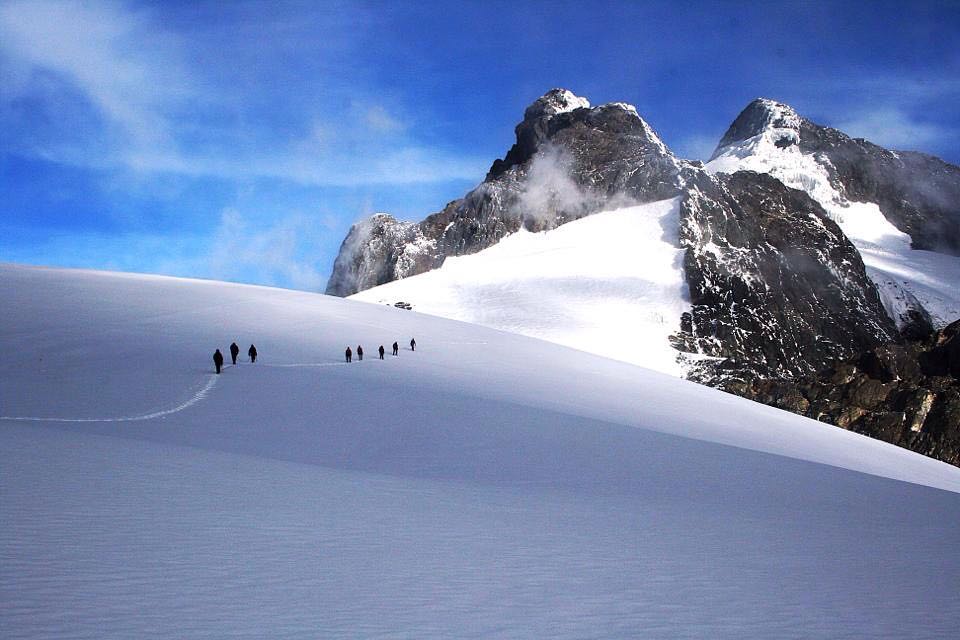
Tourism revenue funds research programs that provide data to scientists monitoring the melting rates of glaciers, thus providing critical climate change indicators in the tropical areas. These research programs also assist scientists in determining how changes in climate are affecting ecosystem health and species survival.
By witnessing the effects of global warming on the glaciers in the Rwenzori Mountains and gaining firsthand knowledge of this environmental crisis, ecotourism helps raise awareness and promote advocacy for protecting these unique ecosystems from further harm. Trekking through this area is also a valuable opportunity to support these regions by raising international attention and putting pressure on world leaders and organizations to take action on the climate crisis.
The support provided by ecotourists will help preserve the Rwenzori Afro-alpine moorland as an important storehouse of species diversity and an example of why it is important to continue acting quickly and collectively toward addressing the climate crisis.