
10 Things You Did Not Know About the Rwenzori Mountains.
The “Mountains of the Moon,” the Rwenzori mountain ranges, have held many mysteries and stories for many years, from their geological origins to their topographical characteristics to how they have impacted the individuals who populate the surrounding region, but their most alluring characteristic is that they inspire awe in nearly all who visit them.
The Rwenzori (pronounced “ruen-zohr-ee”) provides visitors with not only stunning natural beauty but also a glimpse into a very different kind of mountain range than is typically found in Africa and throughout the rest of the world. Visitors to this area have a chance to learn a great deal about this unique mountain range. Visitors to the Rwenzori can expect an experience filled with wonder, and awe is just the beginning.
1. Not volcanic, but tectonic.
Unlike the other most famous mountain ranges in Africa (Mount Kilimanjaro and Mount Kenya), which are volcanic in origin, Rwenzori does not consist of volcanic material. Rwenzori is a mass of crystalline rock that was lifted out of the planet’s crust through tectonic processes associated with the development of the Great Rift Valley millions of years ago.
2. The “Mountains of the Moon” were named by Ptolemy.
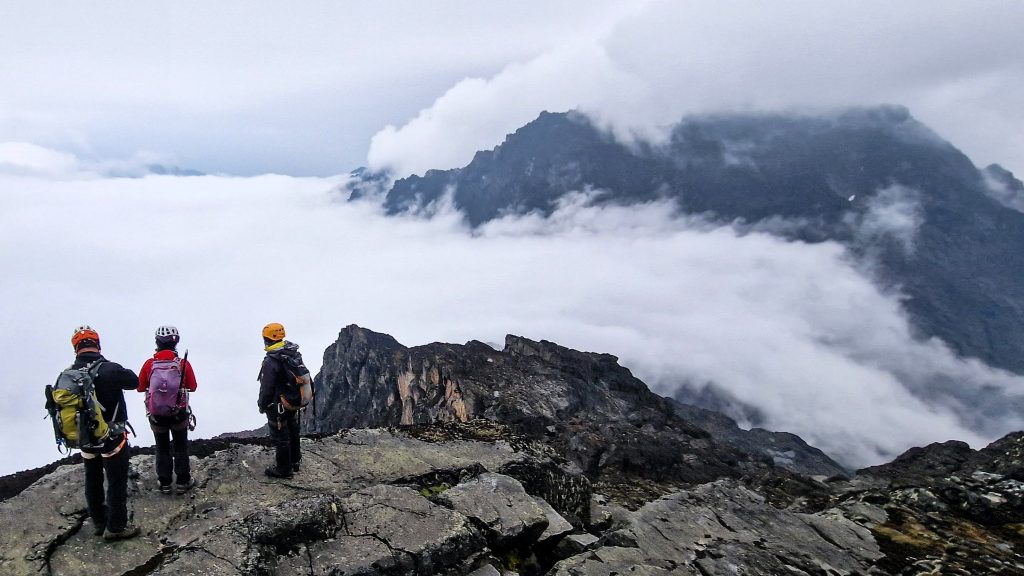
One of the most well-known names given to a mountain range in Africa is “Mountains of the Moon,” which was given to it by the Greek-Egyptian astronomer and geographer Ptolemy in the 2nd century AD. He referred to them as “the mountains from which the waters of the Nile are gotten,” because he believed the melting snow from this range would feed the Nile River. Other explorers would not evidence this until the late 1800s, but an exceptional name has always been attached to this area.
3. Africa’s 3rd Highest Mountain.
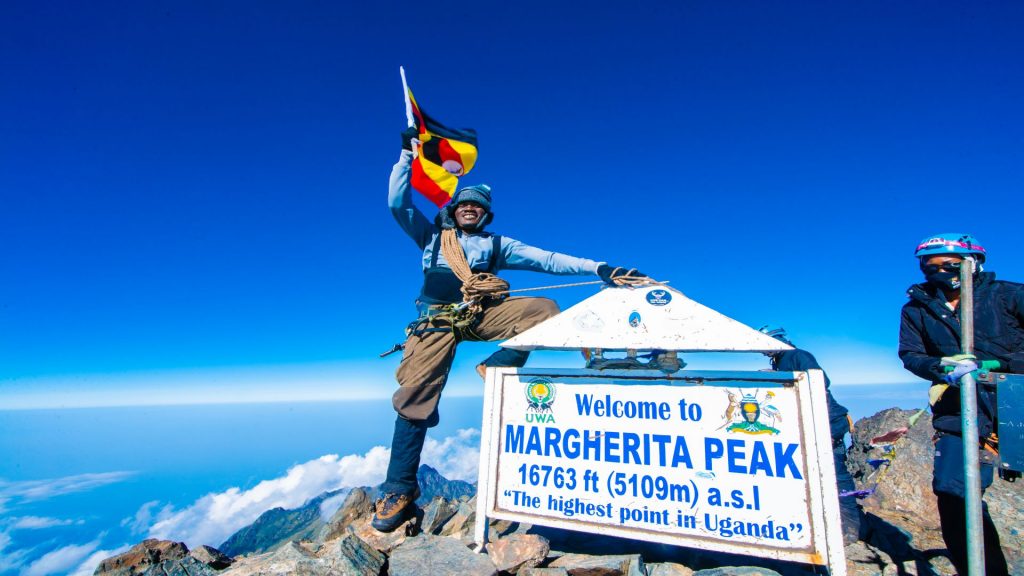
While Mount Kilimanjaro is Africa’s highest mountain and Mount Kenya is the 2nd, the Rwenzori Mountains are home to Africa’s 3rd highest, Margherita Peak on Mount Stanley, which is 5,109 m (16,762 ft) tall. The Rwenzori Mountains also have the 4th and 5th highest peaks in Mount Speke and Mount Baker, making them the 2nd most prominent mountain range in Africa after Mount Kilimanjaro.
4. The world’s tallest giant heather trees.
It is possible to observe unique plant species in the Rwenzori’s Afro-Alpine ecosystem, including giant heather trees (Erica arborea). These trees can grow over 10 m long, which is much larger than any other place worldwide. Giant heather trees, or trees within the family Ericaceae, often have thick coverings of moss, thereby forming an extremely rare and ethereal “moss-forest” environment.
5. Endemic giant plants are the norm.
The Rwenzori Mountains have experienced evolutionary processes leading to what one could easily claim is a “botanical wonderland.” The high rainfall and unique climatic characteristics of the region have transformed traditional plants into giant species; the giant groundsel plants and giant lobelias of silver leaf were two of the best examples of giant plant species that have been known to stand as guard-like sentinels over the high moorland areas of the Rwenzori.
6. Heaviest rainfall in East Africa.
The Rwenzori Mountains experience extreme rainfall throughout East Africa; the climate provides the high levels of rainfall necessary to support an extensive level of biodiversity and provide for the unique plant communities in and around the mountain region. All the consistent high rainfall in this area creates dense mats of mosses, produces many hundreds of waterfalls, and produces mists that constantly cover the mountain tops, and all of this contributes to the tranquility, enchanting beauty, and majestic mystique associated with the Rwenzoris.
7. A UNESCO World Heritage Site.
As a result of their unique biological, geological, and environmental characteristics, the Rwenzori Mountains were granted protected status as a UNESCO World Heritage Site in 1994. Because of this designation, the Rwenzori Mountains’ ecosystem and unique plant species will continue to be protected, as will the rapidly disappearing glaciers.
8. Permanent glaciers on the equator.
The most interesting fact about the Rwenzori Mountains is that they have permanent glaciers and snow cover. This is surprising because the Rwenzoris are located only 58 km north of the equator, but they have permanent glaciers and snow cover because of their extreme altitude and localized weather conditions. As a result of climate change, many of these glaciers are rapidly retreating, but their existence provides evidence of the great height of the range and its unique climatic features.
9. This Region Is Home to a Very Unique Three-Horned Chameleon.
This area is also one of the world’s most ecologically diverse areas for animals. There is one special species of chameleon that is found in the mountains: the Rwenzori Three-Horned Chameleon (Trioceros Jacksoni), which is a native reptile that has three unique horns on its head. The fact that it has evolved in an isolated environment helps to demonstrate how important these unique animals are to the overall ecological health of this region.
10. Divided by Two Countries.
The Rwenzori Mountain Range is divided between Uganda and the DRC. The most significant peaks and the best-known trekking routes can be found mainly on the Ugandan side of the Rwenzori Mountains National Park. On the other hand, the western slopes of the Rwenzori Mountains fall into the Virunga National Park in the Democratic Republic of Congo (DRC), making the Rwenzori Mountains a very important transboundary area for conservation programs.