
Eco-Adventures in Burundi : Responsible Travel in Africa’s Green Heart.
Burundi, affectionately known as the “Heart of Africa,” is emerging as a safari destination for the conscious traveller. The country is forged by the dramatic hillsides, dense rainforests, and then the vast, clear waters of Lake Tanganyika.
This small country offers unique eco-adventures rooted in responsible travel principles. Far from mass tourism, Burundi provides an authentic immersive safari experience where every visitor’s choice can directly support conservation and then community well-being. Travelling here means adopting a gentle footprint while exploring some of the most beautiful ecosystems in the Great Rift Valley.
Preserving the pristine: Eco-tourism in national parks.
Burundi’s limited but critical network of protected areas is the focus of its eco-adventure offerings, emphasizing low-impact exploration and habitat preservation.
Kibira National Park.
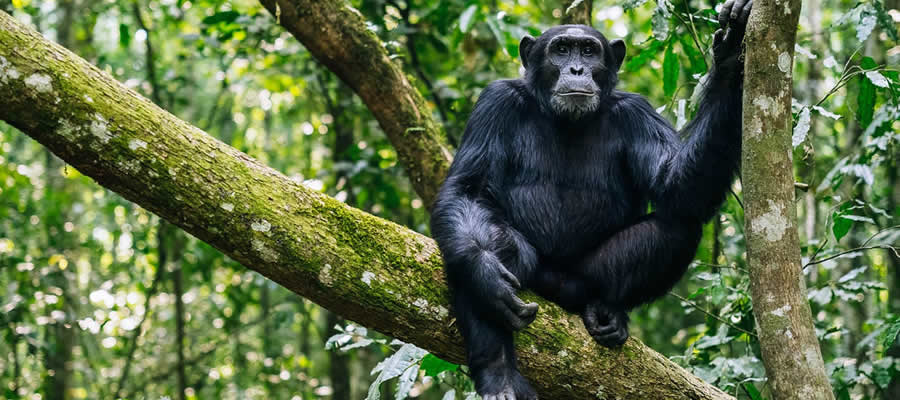
Kibira National Park is a vast montane rainforest, an important watershed for the entire country, and a key focus for ecological travel. Eco-adventures here revolve around guided primate and bird tracking. Visitors are led by the local guides and the park rangers, often trained members of the surrounding communities who ensure strict adherence to trail guidelines. This practice reduces disturbance to the environment and the resident wildlife, which includes chimpanzees and colobus monkeys. The entry fees and guiding fees directly support the anti-poaching units and the management of the park, ensuring the forest remains intact for future generations.
Rusizi National Park.
Near the capital, Rusizi National Park offers an accessible wetland safari experience. Boat cruises on the Rusizi River delta are conducted by the small, local operators who are aware of the need to protect the hippos, crocodiles, and massive flocks of waterbirds. Eco-tourism here supports the careful management of the papyrus reeds and the marshlands, which are essential filters for the water flowing into Lake Tanganyika. Travelers are encouraged to use the local services, which changes a sense of ownership over the park’s ecosystem among the neighboring communities.
Sustaining Lake Tanganyika: Low-Impact Water Activities.
Lake Tanganyika, which is the world’s largest freshwater lake, is a massive, delicate ecosystem. Eco-adventures of the lake are focused on the non-motorized and then sustainable exploration to protect its unique biological diversity.
Kayaking and swimming.
The best way to explore the lake’s clear waters is by kayak or traditional dugout canoe. These silent, low-impact vessels allow travelers to glide peacefully over the surface, observing the unique endemic fish species without creating the pollution or noise disturbance. Many local operators promote swimming and snorkeling over motorized water sports. By keeping to small, human-powered watercraft, travelers help preserve the tranquillity of the environment and protect the shoreline from the erosion caused by the large boats.
Supporting sustainable fisheries.
While on the lake, visitors have the opportunity to learn about the sustainable fishing practices from the local communities. Choosing to stay at smaller, locally owned lodges that source their food responsibly and then adhere to the reduced waste policies further reinforces the eco-friendly commitment. This direct link between tourism revenue and responsible resource management is essential for the long-term health of the Great Lakes.
Community connection.
True ecotourism in Burundi involves direct, meaningful interaction with the local people, ensuring that tourism benefits are felt at the grassroots level.
Community-led cultural tours.
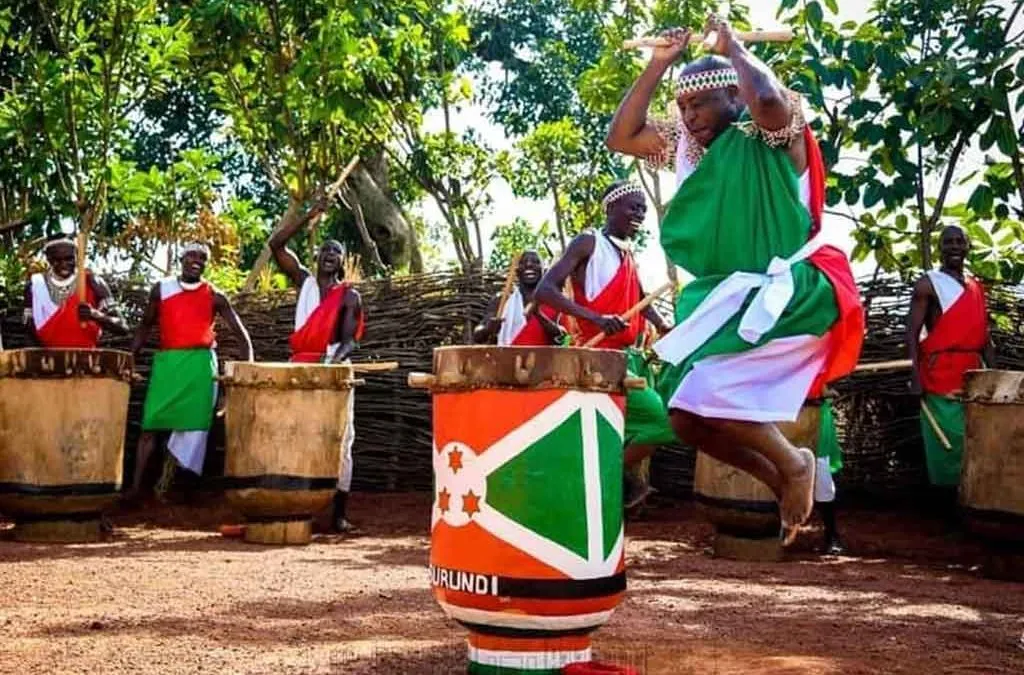
Burundi’s rolling highlands are rich in culture. Responsible travel often includes participating in the community-led cultural tours, which showcase traditional life, agricultural methods (including coffee and tea processing), and then the famous Royal Drummers. Paying directly for these experiences, whether for a performance or a guided walk through a village, provides crucial income to the community, offering a tangible alternative to dependence on the natural resources.
Accommodation choices.
For the eco-conscious traveller, choosing small, locally-owned guesthouses or the lodges that employ staff exclusively from the nearby villages is the best choice. This ensures that the economic leakage is reduced and the revenue is reinvested immediately into the local economy.
By prioritizing simplicity, local resources, and then cultural authenticity over large international chains, the traveller reinforces Burundi’s model of sustainable, community-based tourism. Burundi offers an adventurous and then rewarding path for those who believe that travel should be both a privilege and then a responsibility with Nyumbu Beyond Journeys.