The East African Secret: Why Burundi Completes the Great Lakes Safari Experience?
The phrase “Great Safari” immediately conjures visions of the immense, open plains of the Serengeti, the extraordinary animal migrations of the Maasai Mara, and Mount Kilimanjaro in Kenya and Tanzania. These are all international tourism attractions for good reason, but they are only part of the story of the richness of the region. In the middle of the Great Lakes region is Burundi, a small, landlocked nation that is truly the “East African Secret.”
Burundi is anything but an afterthought; it is actually the key piece of the puzzle that completes a safari that sets out to change the traditional wildlife safari experience to one that will take you through the geographical and cultural cradle of a continent.
Adding a visit to Burundi on your East African itinerary elevates this style of travel experience, featuring a history, culture, and nature blend that the larger parks cannot, and providing a full and complete understanding of the region.
The Geographical Keystone: Source of the Nile and Lake Tanganyika.
The reason why Burundi completes the Great Safari is its remarkable geographical importance. Many think of the source of the Nile River as Lake Victoria; however, the most distant, the furthest headwater of the White Nile, is the most proper source of the Nile. Located in the area of Rutovu, a monument signifies the source of the Ruvyironza River, the river that joins on to the Kagera River, which in turn flows into Lake Victoria. Moreover, this means that the source of water that supports Egypt and Sudan literally begins in the misty, fertile hills of Burundi.
Visiting this destination actually alters the safari story, giving it a world geographical significance that connects the traveler with the very genesis of civilization. In addition to this, Burundi’s western border is defined by Lake Tanganyika, the second deepest lake in the world and the second largest freshwater lake on earth by volume.
The clear water, beautiful beaches, and endemic fish species are strikingly different from the arid savanna. This shift from open land to water in an old rift valley lake alters the ecological counterpoint of the safari, expanding the experience as a whole.
Burundi’s Cultural Experience: The Royal Drummers.
Burundi’s cultural depth moves beyond mere natural physicality and is richly present beyond any safari programming antecedents. Burundi is a country internationally famous for the Royal Drummers of Burundi (Intore), the performance of which is both a spectacle and a current, powerful formulation of national sustainment. The lively, synchronized drumming around the sacred Karyenda drum is a performance tradition that has been preserved and transmitted by generations of Burundians and signifies their strength and unity as the ancient Kingdom of Burundi.
This Kingdom of Burundi is one of the few pre-colonial kingdoms in Africa that was able to maintain its territorial integrity and centralized state structure during the colonial period, giving its performance of cultural expression a unique authenticity and roots.
Unlike more common pastoral traditions around the region, the experience of the Intore provides insight into a sophisticated, highly organized historical society. Being witness to the powerful, rhythmic movements will connect the visitor to the authentic beating heart of an African culture that is alive and resilient, making the trip much more than just the viewing of animals.
The Green Wilderness: A Distinct Ecosystem.
Although Kenya and Tanzania are known majorly for their Big Five game viewing, it is crucial to ecologically diversify in Burundi. Burundi’s location that connects the East African Rift with the enormous Albertine Rift system means that its protected areas, namely parks such as Kibira National Park, contain distinct habitats, such as montane rainforest, whereby the opportunity exists to see primate species diverse in terms of ecological adaptation and a colorful variety of birds, especially compared to acacia woodlands that characterize the savanna.
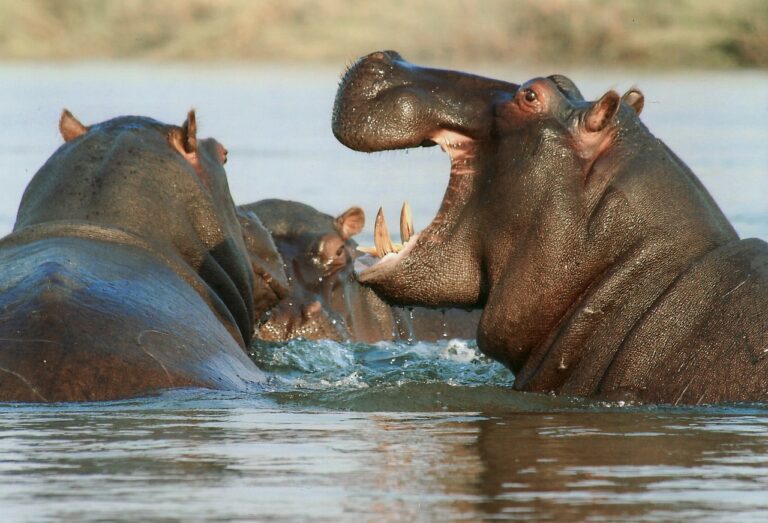
For the traveler in search of authentic ecological diversity, these green, misty mountains offer a cool, remote setting in which species exist nowhere else on Earth. While Ruvubu National Park is not as large as comparable parks in Tanzania, it still protects reasonable populations of buffalo, hippos, and over 400 species of birds found along the Ruvubu River.
By adding these parks, the Great Safari widens its scope of definition of nature in Africa, which firmly places Burundi as a required stopover for those seeking a complete, rich experience of astonishing biodiversity and geographical diversity that is East Africa.