
Meet the Bakonzo people: Culture, Traditions, and life along the Rwenzori range.
The Rwenzori Mountains National Park is located within the western region of Uganda and is the ancestral home of the Bakonzo people. In relationship with the spectacular natural scenery and geology of this area, this park is a very important part of the cultural landscape of Uganda, where individuals have grown into unique and successful communities.
The Bakonzo people stay on the steep, fertile slopes of the Rwenzori Mountains. They have established a unique culture that has been affected by both the beautiful yet harsh effects of their mountain environment and the rich soil of the Rwenzori foothills.
Their way of life is based on their dependency on the Rwenzori ecosystem and is expressed through their culture, traditions, and relationship with the land.
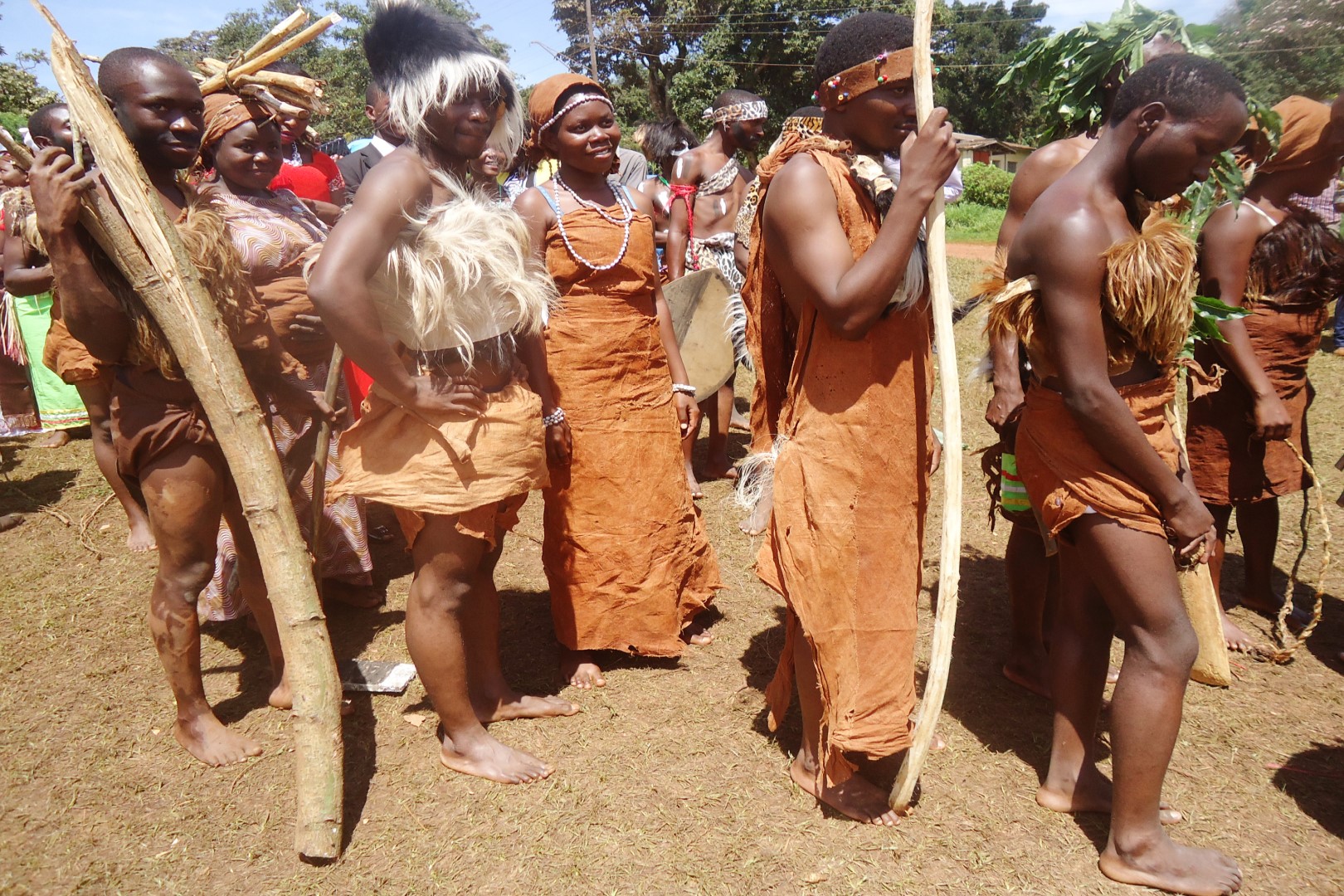
The Bakonzo live in the Rwenzori Mountains.
While very creative in their adaptation to the Rwenzori environment, they have adopted the basic principle of using the Rwenzori Mountain as a source of both food and culture. Using the volcanic soil and ample precipitation of this area, the Bakonzo settle on the lower side of the Rwenzori Mountains, where their crops can thrive due to the rich nutrient density of the volcanic soil.
The Bakonzo’s main occupation is subsistence agriculture.
They have cultivated a diverse variety of staple crops on the terraced hillsides of the Rwenzori Mountains, such as bananas, potatoes, beans, and high-altitude vegetables, within the unique climatic conditions of the Rwenzori region. The Bakonzo are highly known for growing the high- quality Arabica coffee, which is usually the main crop that they earn money from, so they are able to link their rural economy with the global economy.
They depend on the pure, natural mountain streams for their water supply and also, they see the forest area as (the) most important source of traditional medicine, building materials and food. Their deep bond with the land leads them to have great respect for the mountain areas, which they consider a place of spiritual power.
Architecture and Community.
The traditional Bakonzo houses are all made to be very strong and sturdy, using local materials, primarily mud/clay, trees/wood, and thatch to ensure that they are able to withstand the heavy rainfall in this part of the country. The lives of the Bakonzo are organized around their extended family units and by the social structure of their communities.
Leadership has always been in the hands of the elders of the clans, who are responsible for maintaining the customs and laws of their respective communities. Although the change of political systems has altered the way that the Bakonzo live today, the cooperation of the communities to support farming and manage the local resources remains very solid.
Culture and Beliefs: Respect for the Peaks.
The traditions of the Bakonzo are influenced to a very large degree by their customs and rituals to calm the spirits of the mountains so that they may have more plentiful harvests and have protection from the harsh conditions caused by the mountains.
The Bakonzo have deep respect for the Rwenzori Mountains and treat them as the home of their creator, with the name of Kitasamba or Kihara, the highest-ranking God among them. They consider the peaks parts of the earth that belong to Kitasamba; only those persons who were doing rituals at the time would have been permitted to enter into the high country.
As part of their spiritual beliefs, they dance and sing songs to the spirit of Kitasamba and perform rituals in his honor for anything, including asking for protection from such tragedies as mudslides and flooding from the heavy rains.
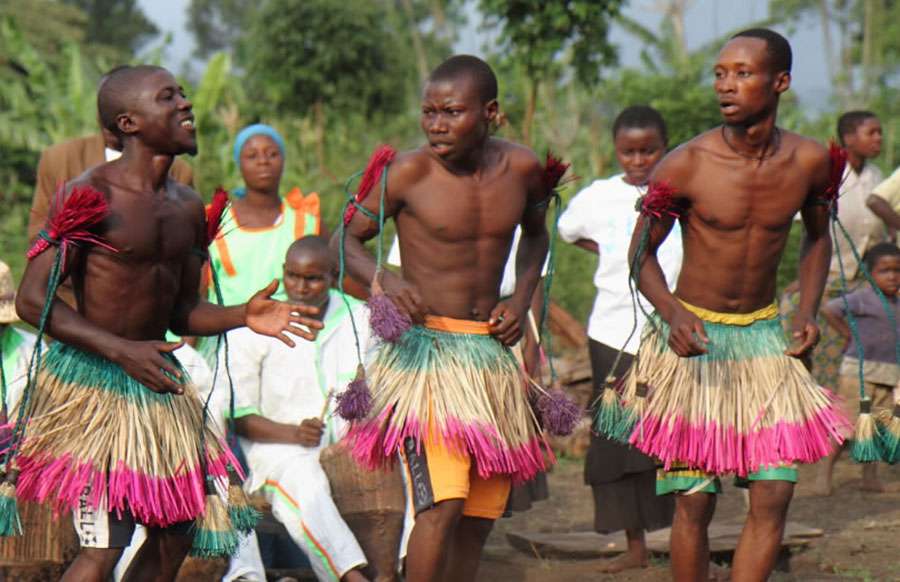
The music and dances of the Bakonzo people are a very important part of their culture and identity. They use simple yet sophisticated instruments such as drums and shakers to freshen up their traditional dances and to imitate animals in dance or to celebrate good harvests.
The Bakonzo people proudly wear their traditional clothing, which consists of colorful cloths and embroidered clothing and has natural fibers woven together from local materials. They showcase this clothing in their local festivals and ceremonies in their homeland.
Tourism Impact.
The Bakonzo people are very important to the tourism economy of Rwenzori Mountains National Park. Some members of the Bakonzo community serve as guides, porters, and lodge staff, providing a source of income while also motivating them to protect this unique environment.
When visitors trek with a Bakonzo guide, they not only have a safe experience but also receive important cultural insights from him or her. Bakonzo guides teach about the uses of traditional plants found in the park, as well as cultural beliefs associated with the mountains.