
Best Time to Hike the Rwenzori Mountains and Weather Survival Tips.
The Rwenzori Mountains, popularly known as “The Mountains of the Moon,” offer trekkers an extremely difficult yet botanically interesting safari destination to trek and explore. The park is located on the equator in Uganda; this mountain range has magnificent glacier-capped peaks, verdant rain forests, and unique plants found only in the Rwenzoris (like the large groundsel and large elgers). Another consequence of this location near the equator is the high amount of rainfall and rapid change in weather that is experienced at all times during the year.
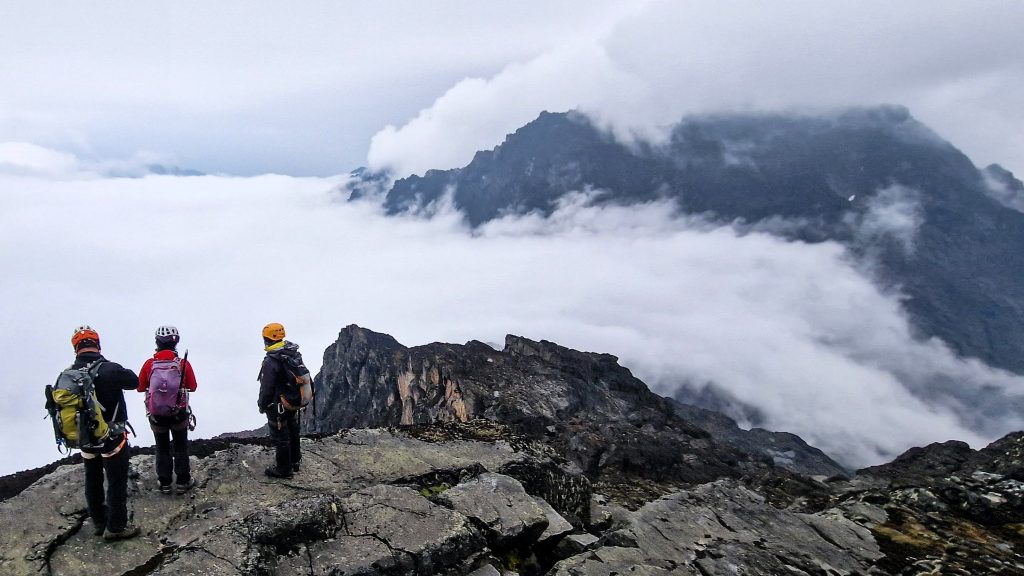
Therefore, it is very important to select the best time of year to climb so that you will have the greatest likelihood of reaching the summit safely and enjoying the fantastic views, which are often obscured by heavy fog and mist.
Best Times to Climb: The Dry Seasons.
Even though climbers, trekkers, and mountaineers can enjoy the scenery year-round, the majority of climbers prefer to climb during the two distinct Dry Seasons as these are the times that provide the most stable climate, less rain, and subsequently the safest and best-maintained trails. Therefore, by scheduling the expedition for one of these two Dry Seasons you will greatly increase your chances of clear views, especially for summit attempts like that of Margherita Peak.
First Dry Season: December to February.
This time frame is considered the best for climbing. After the short rains of November, the weather tends to be fairly pleasant, consisting of mild to warm days and cold nights with generally stable weather conditions. January and February are typically among the drier months of the year. During this time of year, photographers have clearer views and hikers’ feet have better traction on lower elevation trails. The time frame for January and February also coincides with the holidays; thus, these months experience a high volume of international visitors.
The Second Dry Season: June through August.
The months of June through August are typically the most popular time for climbers and trekkers, as they experience the least amount of rainfall and therefore the least amount of mud. This creates a much safer environment to cross rivers and glaciers and makes these segments of the route somewhat easier to traverse. For climbers who are going to the highest elevation peaks, the time frame for the months of June through August is quite valuable due to the increased level of safety from the decreased percentages of precipitation that come during this time. However, it is important to understand that even in July, August, and September, mountain weather can be highly unpredictable, and afternoon rain showers are a constant possibility.
The Wet Season: The Challenges and Trade-Offs.
Compared to the July, July, and August Time. The rainy seasons, both with respect to the month calculated between the Dry Seasons: (Long Rains) the months of March – May. Short Rains, September – November. A due to increased moisture levels, the rainy seasons have significantly increased precipitation. In addition, it generally accompanies an increase in both the number of days in the year and also the occurrence of mud-causing trails and higher levels of water in rivers, which in turn increases the difficulty or technical challenge for trekkers.
During the Rainy seasons, the majority of the Peaks are continually covered by Mists making it difficult to see. For these reasons, the Rainy season may be attractive to certain types of travelers but may provide challenges to others. For instance, during the low season, you can enjoy the tranquility of quieter trails because this is an area where it is still possible to hike independently as an individual who wishes to get away from the crowds.
As a result, during this time period, the forests and lower part of the mountain will have a rich, green carpet of life due to the added moisture. Therefore, this makes it a very attractive time for botanists as well as photographers. If you do decide to trek during the low season, then you will need to prepare yourself mentally for harsher trekking environments and need to be very well prepared with proper waterproof boots and clothing.
Tips for Weather Protection: How to stay safe and dry while trekking.
The unique equatorial alpine climate of the Rwenzori Mountains requires a lot of special preparations to ensure safety and a successful trek, no matter what season you hike in. Staying dry, warm and well supported is the most important aspect of planning for your trip, regardless of the time of year.
Layering is Non-Negotiable:
Temperature varies greatly depending on both the time of day and elevation, ranging from 15°C in the rain forests to sub-zero on the summit. When layering, start with thermal base layers (moisture-wicking), add mid-layers of warm fleece or down, and finish with an outer layer of waterproof and windproof (both jacket and pants). Removing layers before reaching an excessive amount of sweating allows the body to better control its own temperature and keep the body’s core temperature high enough for comfort.
Be Prepared for Water with waterproofs.
As anyone who’s had to trek through rain, mist, or even the dreaded “mud” of a wetland can attest, the number-one enemy for the hiker is water. Wearing good, sturdy waterproof hiking boots with plenty of excellent ankle support is a must. You will also need waterproof gaiters to protect the gap between your boot and your pants from water getting in. To protect all your essential outdoor gear, such as clothes, electronics, and sleeping bags, you should place any valuable gear into a dry sack or a heavy-duty plastic bag before you put it inside your backpack; simply placing a pack cover over a pack may not provide enough protection from rain.

Use Trekking Poles to Help Maintain Balance.
Because most of the hiking that you will be doing is through extremely muddy and slippery terrain, having a set of trekking poles will give you added stability and help to reduce the amount of weight placed on your knees. You should also be sure to pay particular attention to your foot care. For example, you should try to change your socks on a regular basis (you should have several pairs of good wool or synthetic socks) and carry some blister treatment supplies.
Make sure that your sleeping bag has a temperature rating of at least minus ten degrees Celsius or fourteen degrees Fahrenheit, because the temperature at the upper camps can drop to extremely low levels. In addition to this, always follow the advice of your local guide, who has the training and experience to provide guidance regarding rapidly changing weather conditions in the mountains with Nyumbu Beyond Journeys.