
Discover the Vibrant Culture and Heritage of Burundi.
While the term “East Africa” is known for the sprawling savannahs and popular safaris, the landlocked country of Burundi offers a unique and deeply enriching experience that is characterized by its cultural significance and rich history. Located in the heart of the African Great Lakes Region, Burundi is a country steeped in history, with a very proud, resilient people and traditions that have remained intact for hundreds of years.
While this might be beyond the wildlife parks, a visit to Burundi showcases a rich offering of artistry, monarchy, and the tradition of music that is an experience not to be missed.
The Rhythm of the Nation: The Royal Drummers of Burundi.
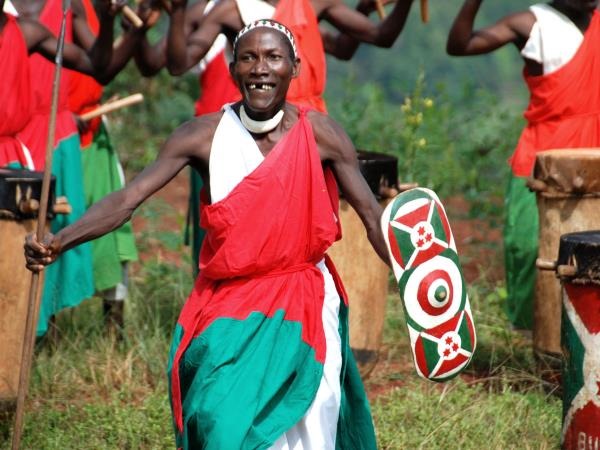
Most people around the world would most likely know of Burundi by the Royal Drummers of Burundi (Abatimbo), who have become an international symbol of Burundian culture. This goes beyond a form of music; it is based on a ritual that began in the Monarchy of Burundi. The drummers are amazing to watch; they perform synchronized moves and demonstrate highly energetic techniques, utilizing large and sacred drums (ingoma).
The routine is a spectacular demonstration of power, rhythm, and physical coordination and features intricate drumming patterns, dancing, and chanting, making the presentation of drums themselves a ritual.
traditionally, drummers were an essential part of royal life—performing at critical events such as coronation days and burials. A drum performance today, often at a site like the Gishora Drum Sanctuary, is a moving cultural spectacle. The deep, powerful, fast beats are said to represent the heartbeat of the nation and can be felt as the seat of Burundi’s history and spirituality.
Echoes of Monarchy: Sites and Kingdoms.
Burundi’s history is deeply invested in a complicated monarchical system that lasted until the 1960s. Throughout this period, the Mwami (King) ruled, having both social and political power over the many clans to which a Burundian’s ancestry belongs. Aspects of this rich, dynastic past can be explored with significance noted in sites of heritage.
The Gishora Drum Sanctuary is especially unique in that it is an important place in history for these drumming performances, as it was the royal court of Mwami Mwezi IV Gisabo from the Twagiramungu dynasty. A replica of the traditional royal home can be seen in the compound to provide insight into the architectural space of the royal court. Furthermore, history is embedded in the naming of the country itself, as well as the social structure—making for an exciting lens of study in pre-colonial African governance. Visiting these sites and learning the stories of the kings is a necessary part of the country’s continuous legacy, cultural pride, and sense of identity.
The Crafting Spirit: Arts and Daily Life.
Burundi is alive in the arts and crafts of its people. The Burundian people have an aesthetic talent for producing useful items that are also attractive to look at. Traditional crafts consist of skillfully woven baskets, mats, and carved stools and utensils. These wonderful items are more than souvenirs for tourists. They are part of daily living that reflect the aesthetic and useful dimensions of the living culture.
The National Museum of Gitega is a very nice place to look at local people’s crafting skills. The museum exhibits a number of historical artifacts, ethnographic objects, and traditional tools, which depict the history and development of Burundians. Additionally, speaking with local craftspeople in the villages or small-town markets directly adds an experience of the local craftsmanship and the cultural significance of local materials like wood, reeds, grasses, etc.
The Experience of Life on Lake Tanganyika: Rest and Rustic Cuisine.
A cultural exploration of Burundi would not be complete without a taste of life that takes place along the long and expansive shoreline of Lake Tanganyika. The capital, Bujumbura, is located on the northern shore of Lake Tanganyika and the lakeside is an incredible social and cultural center. The beaches and hotels on the shore of the lake are where the Burundian people gather, meet friends, and experience relaxation.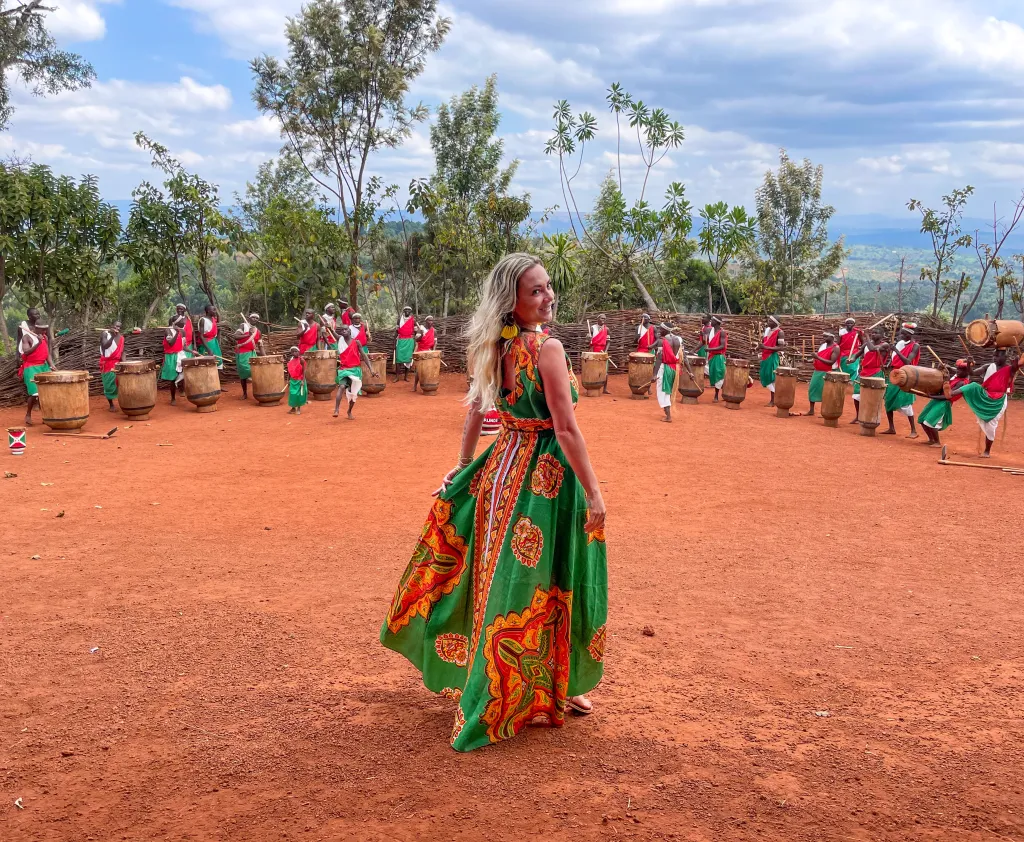
The aspect provides a simple and authentic cultural experience, while providing an opportunity for tourists to taste local cuisine that often includes fish caught fresh from the lake, such as mukeke and the small sardine-like fish called ndagala, which locals prepare with ingredients like plantain and sweet potatoes.
Getting to know Burundians in this relaxed atmosphere, over a delicious plate of grilled fish or coffee grown in Burundi, allows the visitor to witness the warmth and hospitality of Burundians to be as much a cultural experience as it is historical or artistic. The combination of history, artistry, and daily life taking place along the shore of the lake are just a couple of reasons why one must think about exploring Burundi outside the typical East African safari experience.