
Gorilla Trekking vs Kenya Safari
Gorilla Trekking vs. Kenya Safari: When it comes to the ultimate African adventure, two experiences stand at the top of every traveler’s list: the classic Kenya safari and the mystical gorilla trekking in Uganda or Rwanda.
Both offer life-changing wildlife encounters, but they are as different as night and day. If you are trying to decide which one fits your spiritual adventure, here is a simple comparison to help you choose during your safari.
1. The style and adventure: Vehicle vs Foot.
The biggest difference between these two is how you move through nature. Kenya safari is mostly a vehicle-based adventure. You sit in a comfortable 4×4 Land Cruiser with a pop-up roof, driving across the vast open plains like the Masai Mara. It is a game of patience and then sharp eyes, where your guide moves you to the tracks to find lions or leopards.
Gorilla trekking, on the other hand, is a physical journey on foot. There are no roads where the gorillas live. You must hike through thick, tangled rainforests, often on steep and muddy slopes. It is a “boot on the ground” experience where you use your own strength to reach the safari destination. While a Kenya safari feels like a grand tour, gorilla trekking feels like an expedition.
2. Wildlife experience: The ‘’Big five’’ vs the ‘’Gentle giants’’
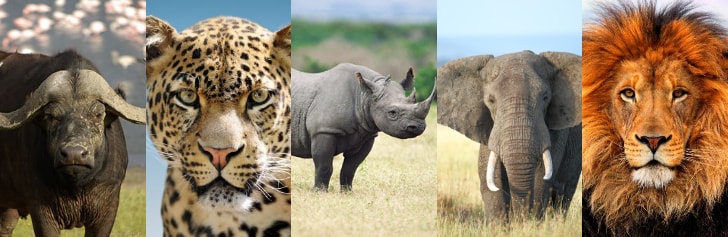
In Kenya, the focus is on variety and volume. You are looking for the ‘’Big five’’ (lion, leopard, elephant, buffalo and rhino). You might see thousands of wildebeest during the Great Migration or hundreds of pink flamingos on a lake. It is a fast-paced show with the different animals around every corner.
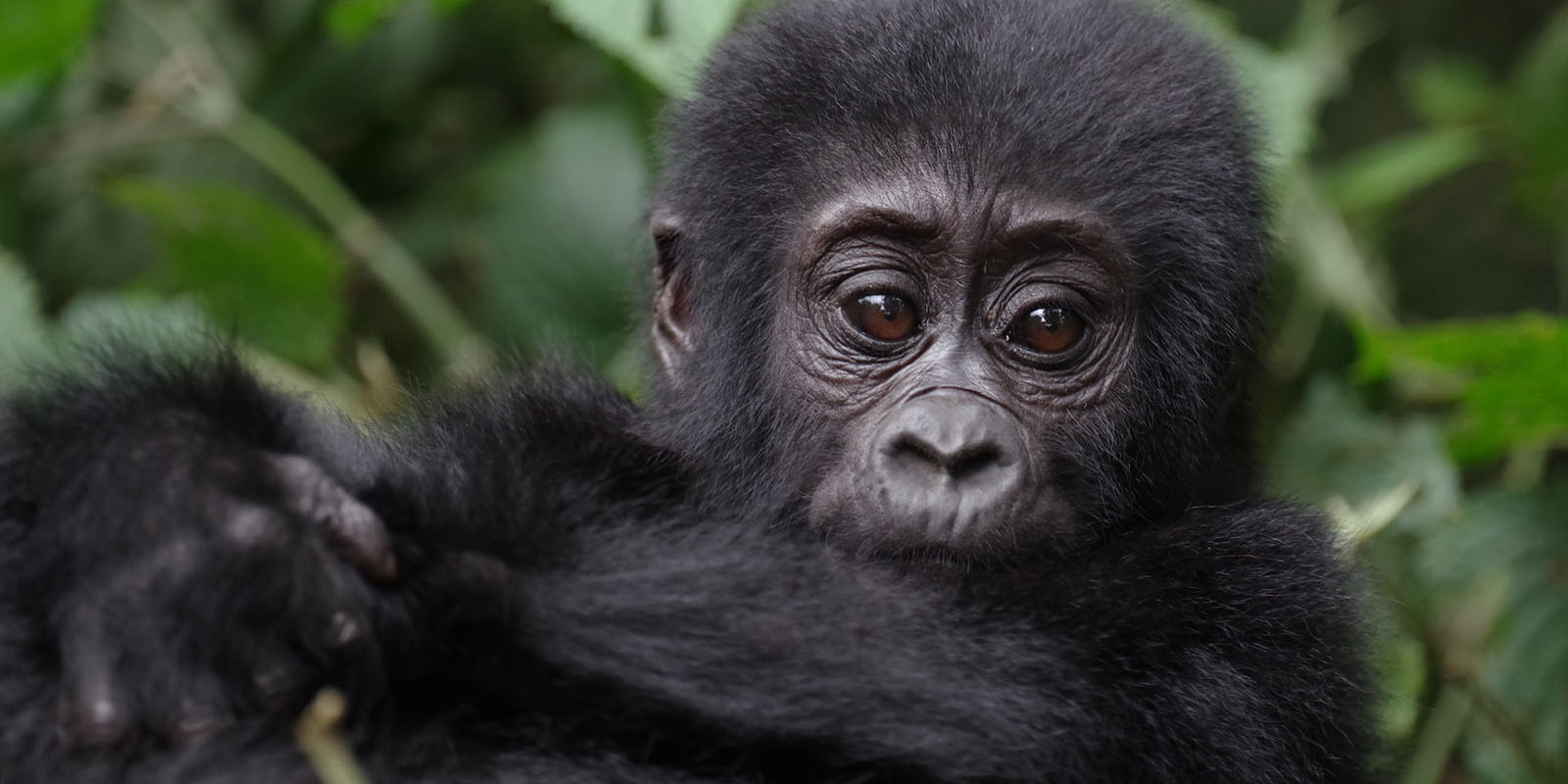
Gorilla trekking is a singular, deep encounter. You spend hours searching for just one family of mountain gorillas. When you find them, the “clock’’ starts and you have exactly one hour to sit with them. There is no glass or car between you, just a few meters of forest air. It is an intimate, emotional experience that focuses on the human-like behavior of these majestic primates rather than seeing as many species as possible.
3. Physical effort and fitness.
A Kenya safari is suitable for almost everyone. Whether you are a young child or a senior traveler, the most ‘’exercise’’ you will get is the bumpy ride over the dirt roads (often called a ‘’safari manicure’’). It is relaxing and low impact.
Gorilla trekking requires a moderate level of fitness. The hike can take anywhere from two to seven hours depending on where the gorillas moved that morning. The air is thin because of the high altitude, and the ground can be slippery. You do not need to be an athlete, but you should be comfortable walking on uneven ground for several hours.
4. Cost and planning.
Planning a Kenya safari offers a lot of flexibility. You can choose a budget-friendly tented camp or a high-end luxury lodge. Because Kenya has a massive tourism industry, there are options for every price point.
Gorilla trekking is generally more expensive and it requires more planning. You must buy a “permit” just to see the gorillas, which can cost between 800 USD (Uganda) and 1500 USD (Rwanda) per person.
These permits are permitted and often sell out months in advance. Additionally, because the trekking spots are remote, the cost of transport and then specialized lodges can be higher than a standard savannah safari.
Conclusion: Which one should you choose?
The choice depends on what kind of “adventure” you are looking for. If you want to see the famous African landscapes you have seen in movies, with endless herds of animals and the convenience of a “first time” Africa experience.
However, if you are looking for a deeper, challenging, and once-in-a-lifetime encounter with a rare species that feels more like an expedition than a holiday, a gorilla trekking safari is the answer. For many travelers, the best solution is to combine both: start with the wide-open plains of Kenya and finish with the misty mountains of the gorillas for the ultimate African story.