
Guidelines and Regulations for Gorilla Trekking in Rwanda.
A gorilla trekking safari in Volcanoes National Park in Rwanda is a highly regulated activity designed majorly to ensure the enjoyment and safety of tourists and secondarily to protect the critically endangered mountain gorillas.
Strict compliance with the park regulations, along with mandatory guides who have intimate knowledge of the park and gorillas, are the cornerstones of this conservation success story. Knowing these rules and the importance of the guiding team are necessary preparation for anyone you’re planning to a once-in-a-lifetime wildlife experience. The entire system is based on decades of research and ethical practices, and the experience is safe and sustainable.
Understanding the Role of the Tracking and Guiding Team.
The entire experience is run by an excellent team of trackers with armed park rangers and a lead guide. The trackers are the unsung heroes of the experience; they set out before morning to find the family of habituated gorillas by interpreting their own behavior and looking carefully for signs of overnight movement. This preparation helps ensure tourists can be led efficiently to the general area of the gorillas.
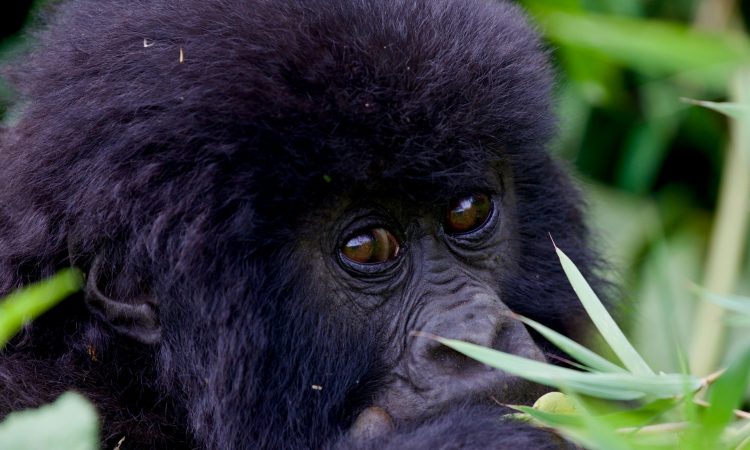
The park rangers ensure your safety, safeguarding both tourists and gorillas, although dangerous animal encounters are uncommon. The skilled guide, who goes with the tourists, controls the walking pace, offers biological and behavioral information about the gorillas and forest and the rules. Their power is absolute once you are in the forest; they maintain a proper distance for the group, keep track of the important one-hour limit, and interpret the nuanced body language of the gorilla family. Their expertise adds directly to both the quality and safety of the experience.
Health and Safety Protocols: Protecting the Gorillas.
The most important set of rules is about health and safety for the gorillas, as they share nearly 98% of their DNA with humans and are very vulnerable to human respiratory illnesses. Restricting human contact is the best way to prevent the spreading of diseases that can be fatal. A couple of the significant rules that are strictly followed are the one-hour limit once the gorilla family is found. This rule reduces the exposure of the gorillas to humans and their associated stress and anxiety.
Secondly, tourists must remain at least 7 to 10 meters (23 to 33 feet) away from the gorillas at all times; however, while the gorillas can move closer due to curiosity, tourists must stay motionless, following the guide’s directions. Last but not least, and very important, you are going to be prohibited from trekking if you are ill, especially with a cough, cold, or flu. Visitors will not be permitted to trek if they are very noticeably ill. Therefore, a further precautionary guideline and protocol is the requirement that visitors wear a face mask near the gorillas at all times.
In-Habitat Protocol and Behavioral Guidelines.
To ensure that the gorillas remain calm and their behavior is not changed due to human visitation, the following behavioral guidelines must be followed at all times while with the family group. Visitors must remain quiet and calm while speaking in soft whispers. Pointing at the gorillas is not advised, as this can easily be interpreted as a threatening gesture.
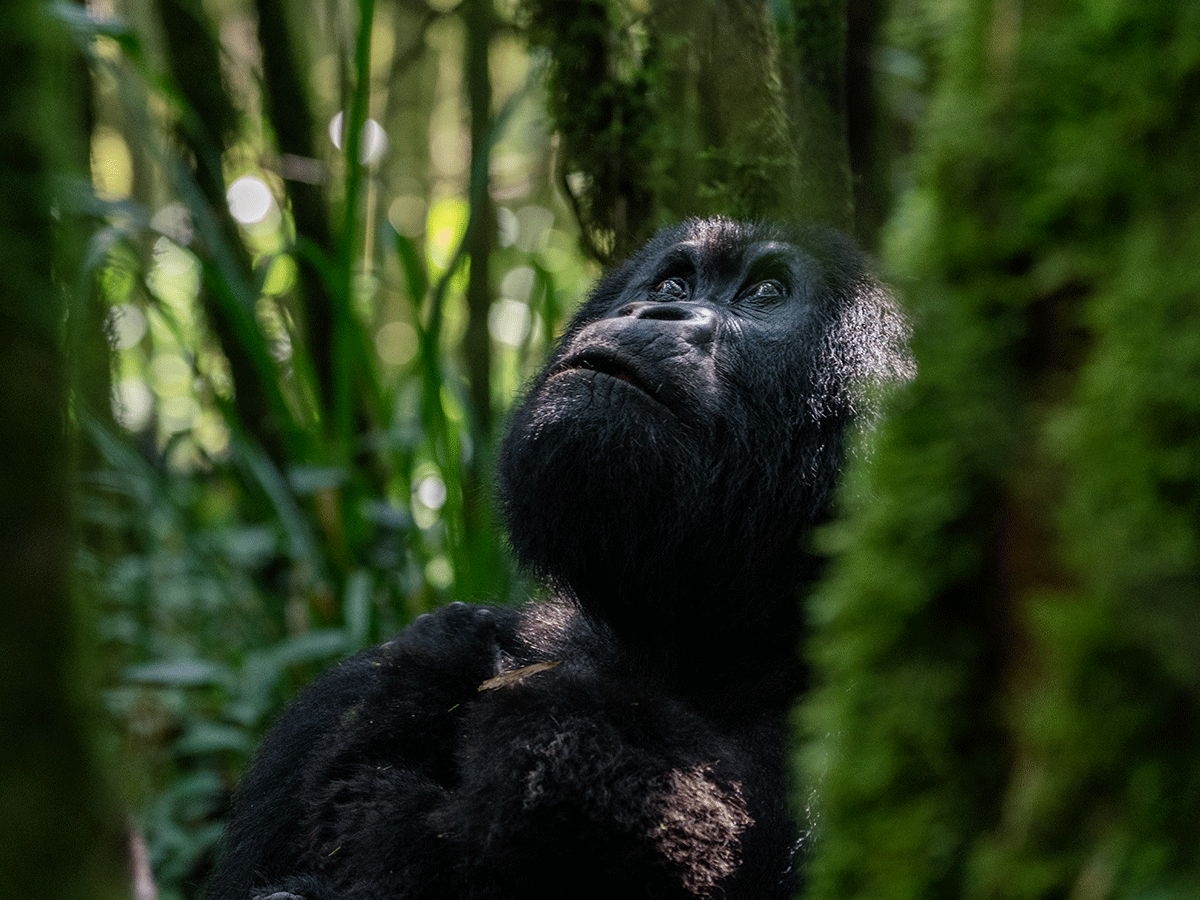
Regarding photography, absolutely no flash photography is permitted, as the bright light can startle and panic the gorillas. Visitors are also encouraged to keep their movements slow and stable.
If a gorilla becomes aggressive, such as by charging or pounding its chest, at that point you must immediately follow the instructions of your guide, which usually entails crouching down, not making eye contact, and exhibiting submissiveness. These parameters are guided by the principles of respect, continuing trust with the families you have been observing, and minimal disturbance to the gorillas’ natural behaviors.
Permit Purchase and Group Limits.
The numbers of daily trekkers is regulated in order to minimize the ecological impact, so no one is allowed to trek or observe the gorillas without obtaining a permit. There are only eight trekking permits issued per day per family of habituated gorillas.
This strict limitation ensures small viewing groups to minimize any stress for the gorillas and their habitat. A permit is costly, and you requested to get your gorilla trekking permit well in advance of your travels, usually several months, either through the Rwanda Development Board (RDB) or through an official transport operator like Nyumbu Beyond Journeys.