
How difficult is it to climb the Rwenzori? Fitness, Weather, Routes and preparation.
Rwenzori Mountains, also known as the “Mountains of the Moon,” are considered one of Africa’s most difficult but fulfilling trekking opportunities. The challenge of trekking up Rwenzori requires more training, preparation, and resources than other more widely recognized treks in Africa, like Mount Kilimanjaro.
In the Rwenzori Mountains, trekkers are faced with a variety of obstacles, including an extremely diverse ecosystem, unpredictable weather patterns, and a wide variety of geographical features, all of which combine to create an extreme climbing experience.
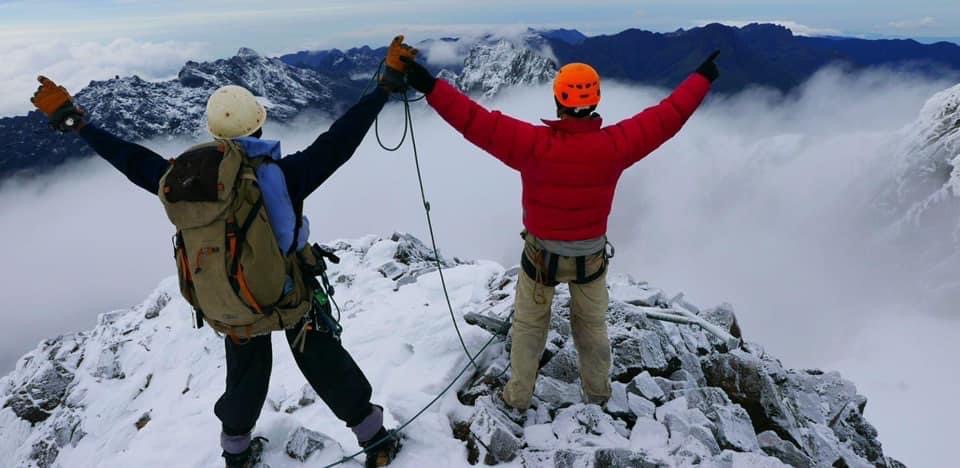
Proper planning, the right equipment, and realistic expectations of the areas you will be visiting are all necessary to make your climb as successful as possible with Nyumbu Beyond Journeys.
Physical Fitness and Terrain: A Distinct Challenge.
Although the Rwenzori Mountains are known for their altitude, their geographic features create a unique experience for trekkers and a unique physical fitness requirement. Due to the difficulty involved with navigating each of the multi-day trails in the Rwenzori Mountains, trekkers need to have a very high level of physical endurance, such as being able to hike for seven to eight hours a day for multiple consecutive days.
Instead of simply having to deal with high elevations, trekkers who trek in Rwenzori must have to deal with a wide variety of types of geographic features and landscapes, many of which can be challenging to traverse.
When you arrive at the base of the Rwenzori Mountains, you will be in an area filled with lush, tropical rainforests; however, within a few days you will be hiking through bamboo forests, then through the well-known high elevations and topography of the Afro-Alpine region. Many of the trail sections that will be hiked in the early and middle portions of the trail consist of mostly soft and wet areas, as well as thick vegetation.
Because of the persistent wetness, the paths are very slippery, necessitating that they be approached carefully with good balance. For this reason, most guides recommend putting on special rubber boots on lower sections to accommodate your foot. Once you start to make your way to the summit (Margherita Peak is the highest at 5,109m) the terrain gets rockier, increasing the difficulty.
For someone who wants to reach the summit of Margherita Peak, there are many different ways to cross the two glacial areas and travel up fixed ropes or other means of travel. The climbers will be required to utilize more technical equipment (for example, crampons or ascenders) to help them reach the summit. These issues reinforce the need for an experienced and well-trained guide service.
Altitude Sickness and Acclimatization.
Every route in the Rwenzori Mountains starts above 4,000m in altitude; therefore, every route presents a risk of developing Acute Mountain Sickness (AMS). AMS is a substantial impediment for many climbers and should be addressed during the ascent. The nature of the other major African peaks results in less acclimatization time to acclimate and therefore requires climbers to ascend in a more controlled manner.
The two main routes through the Rwenzori Mountain range are the Central Circuit and the Kilembe Trail. The Kilembe Trail is typically considered the longer of the two routes, because its relatively long distance provides a better opportunity for gradual acclimatization and therefore, the Kilembe Trail is often recommended as the route of choice for climbers making an attempt to summit Margherita Peak. It typically takes between seven and nine days to make a complete summit trekking route to Margherita Peak.
To prepare for your trip to the Rwenzori Mountains you should begin an intensive aerobic training program to build your endurance. A good training program includes at least 3-4 months of fairly intense cardio and endurance activity, such as daily long-distance walking or hiking with mainly uphill inclines and/or using a stair machine or similar equipment. In addition to completing your training, you should also keep yourself properly hydrated throughout the entire trek to help reduce your risk of developing altitude sickness (AMS).
Changing Nature of the Weather.
Mt. Rwenzori Weather is unpredictable, and Mt. Rwenzori’s weather conditions are some of the harshest and most unpredictable in the world. The Rwenzori Mountains, located in East Africa, have been characterized by their unpredictable and harsh weather conditions since ancient history. Weather conditions at higher altitudes generally drop below freezing overnight, and snow is frequent. It is one of East Africa’s wettest locations, and the weather is so wet that it can affect your safety and comfort level.
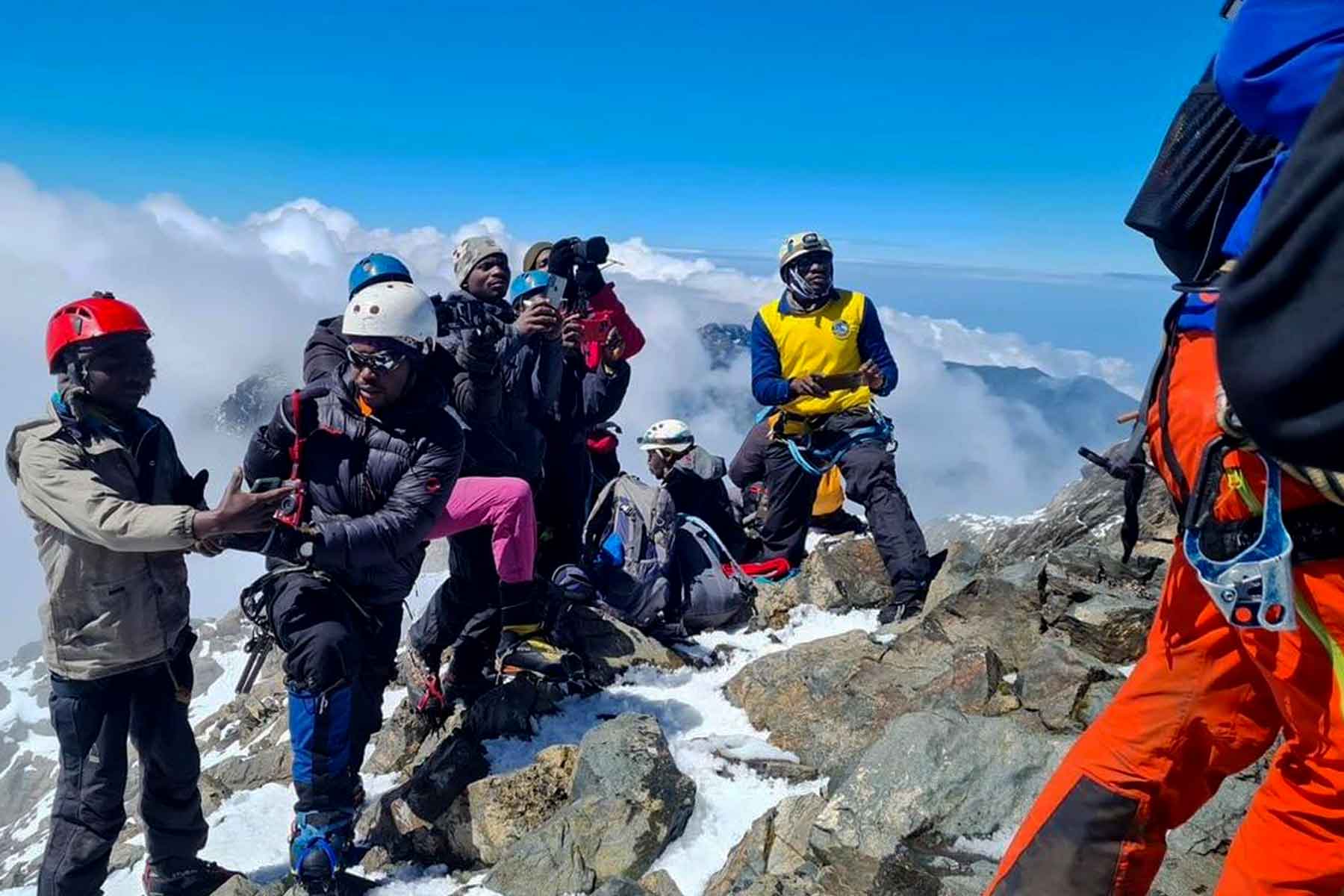
Due to the unpredictable and challenging nature of weather conditions on Mt. Rwenzori, adequate preparation, equipment, and the use of local guides, porters, and rangers are the most critical components of successfully climbing this mountain. Climbers must have the high-quality waterproof, suitable clothing, including waterproof outer layers, and sturdy, long-lasting hiking boots designed for moving in the rocky areas, as well as gaiters.
Overall, climbing the Rwenzori Mountains is a challenging and spectacular adventure; it is best suited to individuals who have undergone physical preparation and who appreciate the wild, rugged beauty of perfect mountain views and severe weather conditions with Nyumbu Beyond Journeys.