
Rhinos in Ajai Wildlife Reserve
Rhinos in Ajai Wildlife Reserve ; In the world of conservation, few stories are as exciting as the “rewilding” of a landscape. For the people of Northern Uganda and then the global conservation community, the move of rhinoceroses to the Ajai Wildlife Reserve is a historic milestone.
After many years of absence due to poaching and then habitat loss, the government of Uganda, through the Uganda Wildlife Authority (UWA), is working to bring these magnificent giants back to their ancestral home. This move is not just about animal relocation; it is about restoring an ecosystem and then creating a new frontier for tourism in the west Nile region.
1. The History of Rhinos in Ajai.
To understand why this move is so important, we must look back at the history of the reserve. Ajai Wildlife Reserve, which is located on the banks of the Albert Nile, was once the best sanctuary for the white Rhinos in Uganda. In the 1930s and 40s, the area was a stronghold for the prehistoric-looking animals.
A second chance: Unfortunately, during the civil unrest of the 1970s and 80s, the rhino population in Ajai was completely wiped out by the poachers. For many years, the reserve remained a beautiful but “empty” landscape.
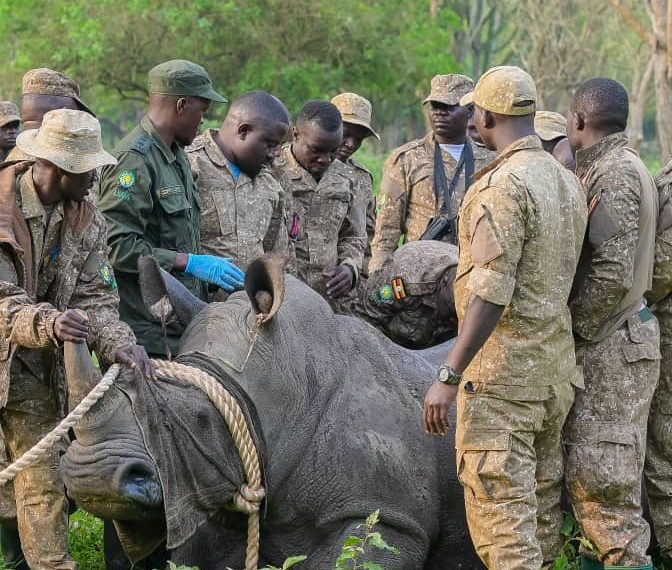
The current conservation move is a promise kept to the land, a mission to return the species to the very place where they once thrived. By moving rhinos from the Ziwa Rhino Sanctuary back to Ajai, Uganda is effectively ‘’undoing’’ the damage of the past.
2. Preparing the habitat for the giants.
You can not simply drop a rhino into a forest and expect it to survive. The move to Ajai has required years of careful scientific preparation.
Safety and sustenance: Before any rhinos could be moved, UWS had to ensure that the habitat was ready. This involved botanical surveys to make sure there was enough of the specific grasses and water sources that rhinos needed. More importantly, it required a massive upgrade in security.
New ranger outposts have been built, and then a specialized “rhino squad” has been trained to provide 24-hour protection. The reserve has been fenced in the specific areas to prevent the rhinos from wandering into local farms, ensuring a peaceful coexistence between the “new neighbors” and the local community.
3. The logistics of the move.
Moving a rhino is a massive undertaking. A single adult white rhino can weigh over 2000 kilograms. It requires a team of veterinarians, crane operators and heavy-duty truck drivers to ensure the animals are moved safely and without stress.
A careful journey: the rhinos are typically sedated by the expert veterinarians and loaded into a specialized crate. During the journey from central Uganda to the West Nile region, the animals are closely monitored to ensure their heart rates and temperatures remain stable.
Once they arrive at Ajai, they are released into a “boma” (a small enclosure) to help them to get used to the new smells and sounds of the environment before being released into the wider reserve. This ‘’soft release’’ method is the best way to ensure the animals survive the transition.
4. Boosting tourism in Northern Uganda.
For travelers and safari lovers, the return of rhinos to Ajai is a game changer. It creates a new ‘’circuit’’ for tourism that goes beyond the traditional parks of Murchison falls and Queen Elizabeth.
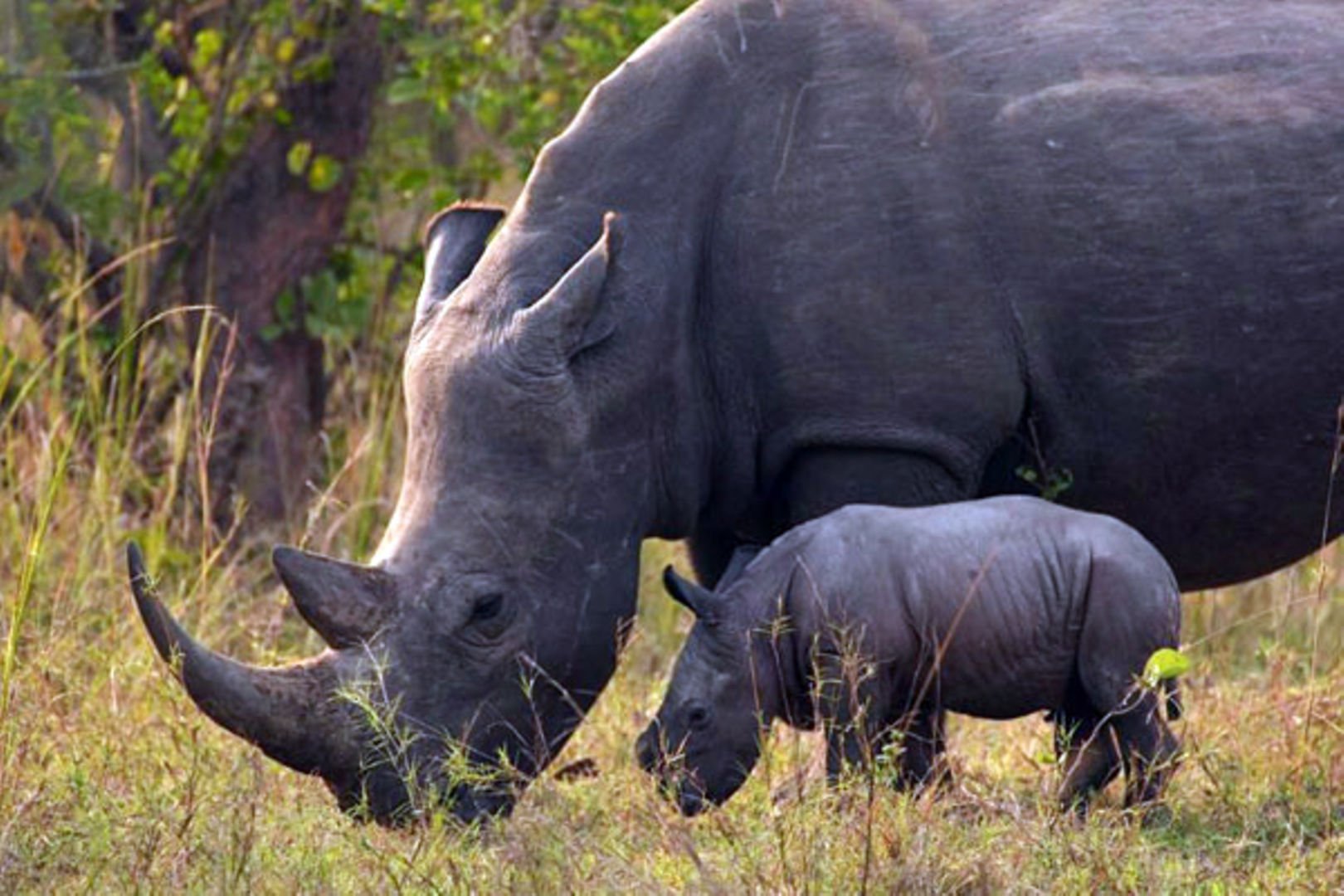
The West Nile Safari: With rhinos in Ajai, the West Nile region becomes a “must visit” destination. Tourists can now combine a trip to Murchison Falls with a visit to Ajai to see rhinos in a wilder, more exclusive setting. This will lead to the construction of new lodges and then the creation of jobs for the local youth as guides and camp staff. It puts back on the map as a world-class wildlife destination, diversifying the tourism offerings of the “Pearl of Africa.”
5. Community involvement and benefits.
One of the most beautiful parts of the Ajar rhino projects is how it involves the local people. The communities living around the reserve have been waiting for the return of the rhinos for a long time.
Shared success: Conservation only works when the local people benefit. The reintroduction of rhinos brings infrastructure like better roads and improved security to the area.
Furthermore, a portion of the park entrance fees will go directly to community projects like schools and then clinics. By involving the local elders and youth in the protection of the rhinos, the project ensures that the community sees these animals as their own ‘’heritage’’ to be protected for the future generations.
In conclusion, the move of the rhinos to Ajai Wildlife Reserve is a symbol of hope. It shows that with enough dedication and scientific planning, we can bring back what was lost/ for the traveler of 2026 to 2027, Ajai offers a unique chance to see conservation in action and to witness the rebirth of one of Africa’s most historic wildlife sanctuaries.