
Top 7 Natural Wonders of Burundi : Must See to Believe.
Despite being one of the smallest and least visited countries in Africa, Burundi is full of exceptional natural beauty. Located within the heart of the Great Rift Valley, it is comprised of rolling hills, ancient rainforests, and expansive lakes.
Its distinct geographical setting leads to an unexpected and surprising number of natural attractions; even the most seasoned traveler would be remiss to skip Burundi on their journey.
To traverse the landscapes of Burundi is to experience firsthand an unforgettable adventure, one that moves from the shores of a global giant to the birthplace of one of the world’s most famous rivers.
1. Lake Tanganyika—The Inland Sea.
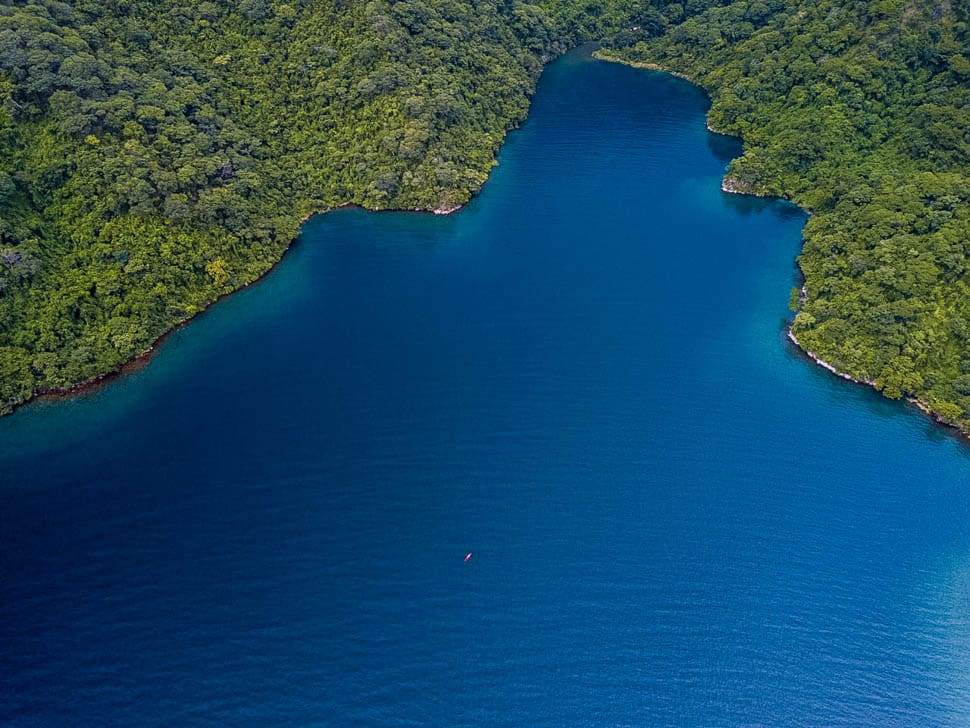
The most recognizable natural feature in Burundi and the Great Lakes region is, without a doubt, Lake Tanganyika. Lake Tanganyika is much more than simply a lake; it is a world phenomenon from Burundi.
A Titan of Freshwater
Lake Tanganyika holds numerous world records: it is the longest freshwater lake in the world (over 670 kilometers long), the world’s second deepest lake (next to Lake Baikal), and the second largest freshwater lake in the world by volume! Its size and depth have led to its nickname, ‘the Inland Sea.’
Biodiversity Hotspot
Because of its incredible age and natural ecological isolation, the lake is a magnificent biodiversity hotspot, with over 1,500 species, a significant number of which are endemic (only found in this area and nowhere else on earth), especially its wonderful array of cichlid fish. The Burundian capital, Bujumbura, is located .75 km right on the northern shore, with beautiful sandy beaches, such as Saga Beach, where visitors can swim in the warm, clear water and enjoy the sunset over the deep blue horizon and the occasional crocodile or hippo in the marshy areas like the ones nearby.
2. Chutes de la Karera Waterfalls: Cascading Awesomeness
The Chutes de la Karera Waterfalls are a series of stunning waterfalls offering refreshing respite from the arid lowlands in Rutana Province southeast of Lake Tanganyika.
A Four-Tiered Spectacle
The Karera is a series of waterfalls that feature 4 distinct cascades that cascade over different levels, creating a stunning multi-tiered waterfall spectacle. The exceptionally lush green surrounding environment makes the area popular among hikers and photographers to witness the falls.
During the wet season, the flow of the waterfall makes for spectacular, crashing falls over the natural pools below. Guests often view the falls in sequence and marvel at how the different natural heights and beauty of each tiered waterfall offer a great entry into a popular and exciting destination in the east.
3. Kibira National Park: The Primeval Rainforest.
Kibira National Park, stretching along the mountainous spine of Burundi, is a large expanse of protected primeval rainforest, a historical sacred hunting ground of Burundi’s ancient kings.
Highland Habitat.
Kibira is a highland park situated at altitudes between 1,500 and 2,600 meters above sea level. This high altitude provides a cooler and moist atmosphere suitable for a dense ancient forest ecosystem. The park is an important watershed for the country, protecting the sources of several significant rivers.
Primate Paradise.
Kibira is one of the best places in Burundi to view primates, including high populations of chimpanzees, black-and-white colobus monkeys, and other species. For birdwatchers, over 250 species have been recorded, offering a real taste of tropical African vegetation and fauna.
4. Rusizi National Park: Hippos on the River Delta
A short distance from the capital, Bujumbura, the most accessible and popular of Burundi’s national parks, Rusizi National Park, is located on the floodplains of the Rusizi River where it enters Lake Tanganyika.
Water-Rich Wilderness
The park is defined by papyrus reeds, marshlands, and acacia scrub, which create a vital wetland ecosystem. Since the park is located next to a major water source.
Rusizi provides the easiest opportunity to view large mammals in Burundi. The large pods of hippos are found wading in the river and the marshy edges of the lake. You are also virtually guaranteed to view the Nile crocodile and, if you are lucky, the rare sitatunga antelope that is beautifully adapted to the swampy environment and not found anywhere else. Rusizi’s ease of access makes it an ideal half-day safari from the city.
5. Mount Heha: The Rooftop of Burundi.
Mount Heha dominates the landscape south of the capital, being the highest point in Burundi and located within the Burundi Highlands mountain range.
Highest Point
At 2,864 meters (9,396 feet), Mount Heha provides a rewarding trek with breathtaking views. The lower slopes are enveloped in rich forest that gracefully transitions to grassland and rocks as you reach the peak.
Panoramic Views
The view from the top is stunning, sweeping over the rolling hills of Burundi and, looking south on a good day, out to the vastness of Lake Tanganyika. The mountain is a popular destination for fitness enthusiasts wanting to experience the highest point in the country and fresh air in a cooler temperature.
6. Lake Rwihinda Natural Reserve: The Bird Lake.
Lake Rwihinda is situated in the extreme north of the country, in the mountainous area near to the Rwandan border.
Ornithological Treasure.
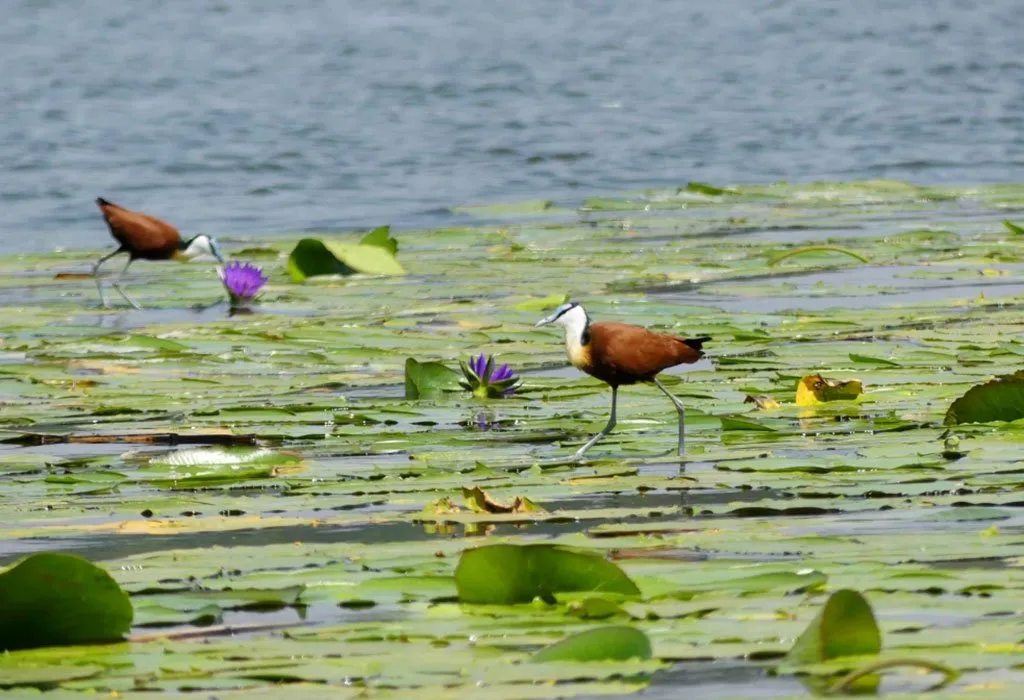
Commonly called “Bird Lake,” this reserve features an idyllic body of water bordered by forest, swamps, and shrubland. It is among the most significant bird breeding and refuge areas in the area.
Migratory Stop.
Lake Rwihinda brings an amazing variety of aquatic and migratory bird species, including kingfishers, African fish eagles, and a variety of herons. This is such a quiet place that you can rent a canoe and paddle quietly about, paying close attention to the rich birdlife here. For any birdwatcher, this is a dream adventure.
7. The Southernmost Source of the Nile
Burundi has the distinction of being the world’s most remote and southernmost geographical source of what is known as the White Nile.
Geography.
Close to the town of Rutovu, a small trickle of water emerges from underground springs high in the mountains. Explorers, therefore, consider this trickle the bona fide starting point of the Ruvyironza River, which eventually flows into the Ruvubu River and, ultimately, the Kagera River, which feeds into Lake Victoria, the source of the White Nile.
The Pyramid.
There is a stone pyramid monument built by German explorer Dr. Burckhard Waldecker in 1934 to commemorate the birthplace of the world’s longest river. Visiting the monument, which is a modest adventure, is sure to be a memorable experience with Nyumbu Beyond Journeys.