Ultimate Gear List for Rwenzori Mountain Hiking.
Trekking through the Rwenzori Mountains also referred to as the “Mountains of the Moon”—is an extremely rewarding yet very challenging trek. Unlike a typical hike, trekking in this region involves traversing through several different ecological zones, including dense rainforests and soaking wet moorlands and, finally, high-altitude icy peaks.
Due to unpredictable weather and a high presence of mud and dampness, a specific gear strategy is required. The gear you use must provide the greatest protection from water and wind and must be highly durable so as to keep you safe and comfortable on your trek. Getting your gear right is arguably the most important part of a successful summit attempt with Nyumbu Beyond Journeys.
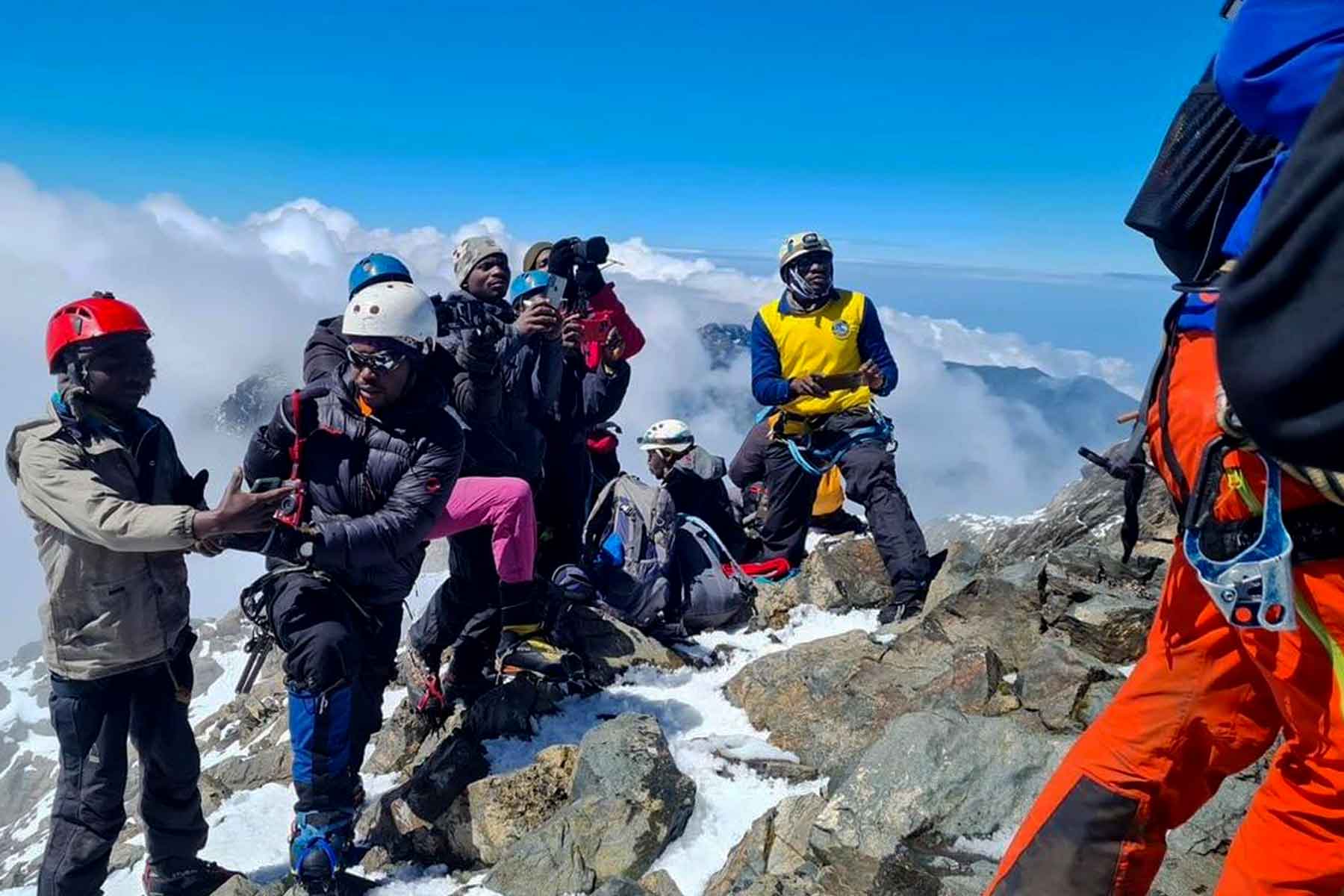
Essential Clothing: Layers—As Extreme as the Elements.
The best way to stay comfortable while trekking in the Rwenzoris is to layer your clothing. Therefore, you will need to bring three distinct layers of clothing to provide the necessary protection for the extreme temperature variations that are experienced during your trek, particularly between the base camps and summits.
Base Layers (Moisture-wicking): A minimum of three thermal tops and bottoms made from either merino wool or synthetic materials (please do not use cotton) must be included in your supply list as base layers. These base layers will be placed directly against your skin and are critical to the moisture-wicking process, which will help you avoid the severe chilling effect associated with high dampness and low temperatures during your trek.
Insulation: As you travel, you will want to stay warm. A couple of warm fleece jackets or insulated synthetic jackets will be your main source of warmth to keep you warm at night and help your body recover so you can continue hiking during the day. In addition to those jackets, we also suggest using a lightweight, packable down jacket for those cold evenings at high camps.
Outer Shells (Waterproof and Windproof): This is the most important clothing investment for your trip. You must use a Gore-Tex or another similar quality waterproof and breathable outer shell jacket and pants that will be able to withstand the constant rain and provide maximum protection from the strong winds that blow at higher elevations.
Shoes and Trekking Accessories – MUD.
The type of footwear you choose is extremely important because the lower slopes of the mountains have a lot of mud and boggy spots.
Hiking Boots: A sturdy mid-to-high-cut hiking boot that is waterproof, supportive of the ankle and has aggressive tread for the rocky upper sections of the mountain. Make sure your boots are well broken in prior to your trip out.
Rubber Boots (Gum Boots): For the first few days of muddy and lower-altitude trekking, most of the local guides and most experienced trekkers wear calf-high rubber boots (also called wellies). You may be able to rent them from your tour operator but please check on your size early. Gaiters will help keep your boots free from mud, water, and debris while keeping your pants dry.
Hiking Socks: Bring enough heavy wool/synthetic socks to cover your electrical needs (2-3 pairs depending on your trail length) and 1 extra pair of thin sock liners, plus 1 pair for sleeping at night. If possible, use synthetic liners with wool.
Trekking Poles: They provide much-needed stability for moving through slippery, muddy conditions and steep descents and when crossing streams.
Camping Gear and Safety.
Recovery: Although most camping supplies are catered on this trip (like tents and meals), you must also provide your own sleeping equipment and some protection (like sleeping pads).
Sleeping Bag: At altitudes above 4,000m, expect freezing temps and pack a high-quality, full-season-rated (minimum -10°C/14°F) sleeping bag. Use a compressible sleeping bag to maximize pack space.
Headlamp: A useful light source, especially while hiking during the dark, is a headlamp. It can help you navigate around the campsite and get an early start each morning. Bring extra batteries for the headlamp.
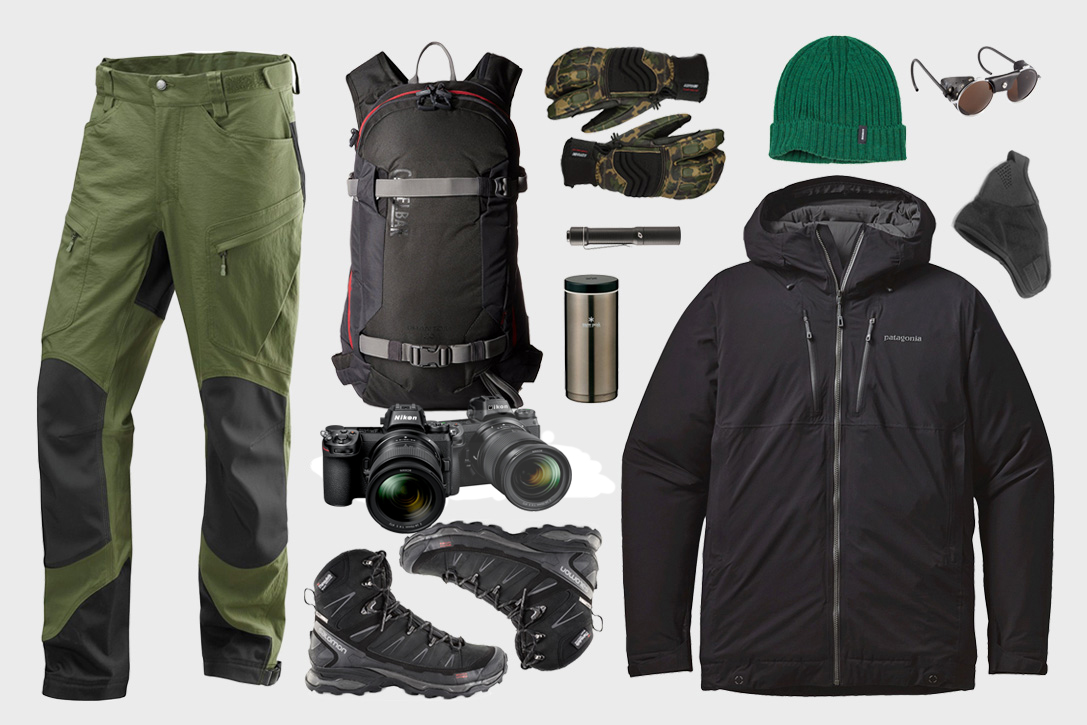
Personalized first aid kit: Your kit should include blister care supplies, pain medication (that is ibuprofen or similar), any prescription medicine you may need, along with electrolyte replacement packets, and any prescribed antibiotics or altitude-sickness prescriptions (that is Diamox) from your doctor.
Sunscreen: Whenever you’re planning on ascending or attempting to summit Mt. Kilimanjaro, remember to bring high-SPF sunscreen, sunglasses (ideally, Category 3 or 4), and a wide-brimmed hat to protect yourself from UV rays that are still quite potent in these areas regardless of any cloud cover.
Gear: Ascending the Margherita Peak, you need to use climbing gear provided by your local trekking company, like Nyumbu Beyond Journeys.
Waterproof Gloves: A good pair of warm gloves made from waterproof materials is essential for preventing any bites when scrambling to the summit.
This list of gear will prepare you for the difficult conditions of the Rwenzori Mountains, allowing your trip to be fun as well as successful with Nyumbu Beyond Journeys.