
What do you need to know about Rwanda?
Rwanda, a wonderful safari destination that is known as the “Land of a Thousand Hills,” is a country of stunning natural beauty, endurance, and dedication to conservation and development efforts. As one of Africa’s safest and most efficient countries, Rwanda has an impressive safari experience of tourist experiences ranging from gorilla trekking to exploring ancient rainforests. However, before you begin packing your bag, knowing some logistical, cultural, and environmental facts will help optimize your travel experience in a smooth, nurturing, and respectful manner.
Logistics and Arrival: Getting There.
Rwanda strives to make arrival easy for international travelers. All international flights arrive at the well-built and modern Kigali International Airport (KGL), which is maintained by professional staff.
Visa Policy: Rwanda has a highly efficient and user-friendly visa approach. Citizens of any country can obtain a 30-day tourist visa upon their arrival at the airport for a fee of approximately $50 USD. You should note that your passport should be valid for at least six months after the date of arrival.
Currency: The official currency is the Rwandan Franc (RWF). US dollars are generally accepted for major tourist expenses (like the gorilla permits and the best safari accommodations); however, for local purchases (like the markets, small restaurants, and taxis), it is best to use Rwandan francs. ATMs are easily located in Kigali and in larger town centers like Musanze.
Safety and Health: Rwanda is one of Africa’s safest countries with a very low crime rate. Nevertheless, standard travel precautions apply, including safeguarding your valuables. Malaria is prevalent; therefore, it is best to seek medical advice about anti-malaria prophylactics. A yellow fever vaccination is mandatory if you are arriving from an endemic country. For drinking water, always stay with bottled water.
Culture and Etiquette: Respectful Engagement.
Rwandans are known for their gracious hospitality, deep respect, and strong national pride. Following some basic cultural etiquette will enrich your experience.
The Power of Cleanliness: Rwanda is also notable for its cleanliness, in part due to its ban on plastic bags, which has been in effect since 2008. Visitors should leave plastic bags at home, and those who do bring them into the country will have them confiscated at the airport. Additionally, Umuganda is celebrated in Rwanda on the last Saturday of the month when communities participate in community clean-up activities. Businesses in town are often closed from 8:00 AM to 11:00 AM.
Greetings and Respect: Politeness is highly valued; therefore, it is best to begin conversation with a hearty greeting in English or with “Muraho” (Hello). It is customary to shake hands with your right hand. It is best to dress modestly, specifically if you are outside of Kigali. Trousers should cover your knees, and dresses should cover your knees and shoulders.
History and Conversation: The genocide against the Tutsi in 1994 is a fundamental aspect of contemporary Rwandan identity. Visiting the Genocide Memorials is encouraged to understand the evolution of the country, but any talk about the genocide or internal politics needs to be treated very delicately or avoided completely unless the Rwandan person brings up the topic.
Top Destinations and Climate.
Rwanda is small, and travel distances to attractions are fast and easy and can include good roads.
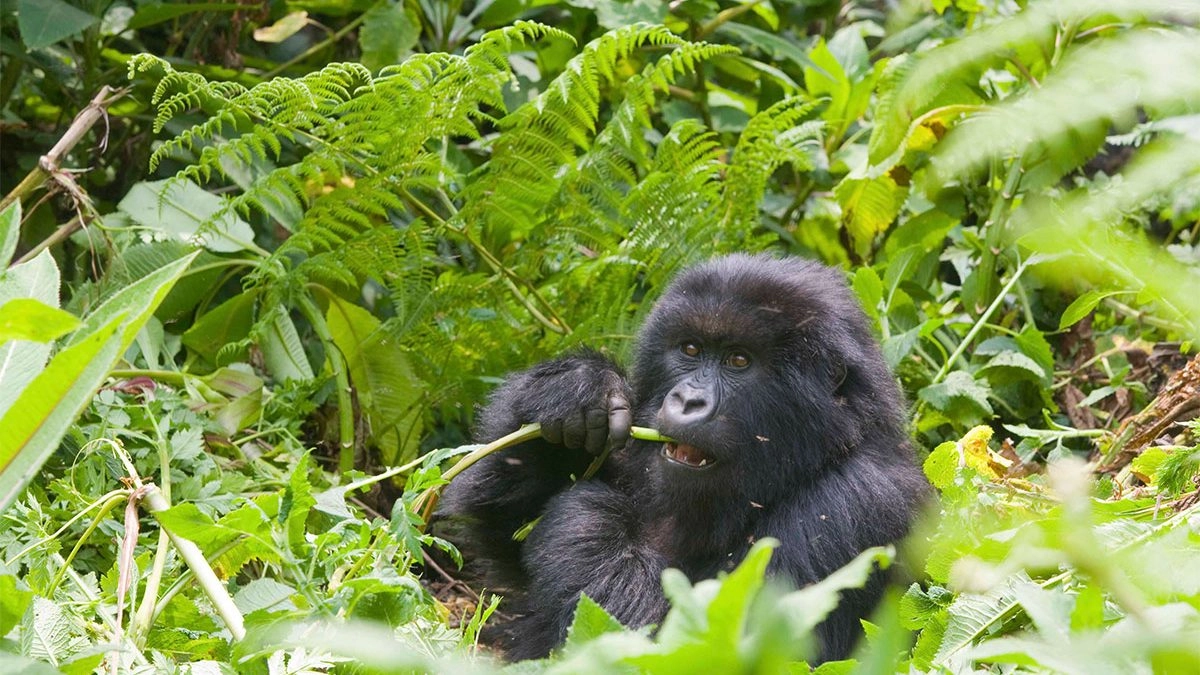
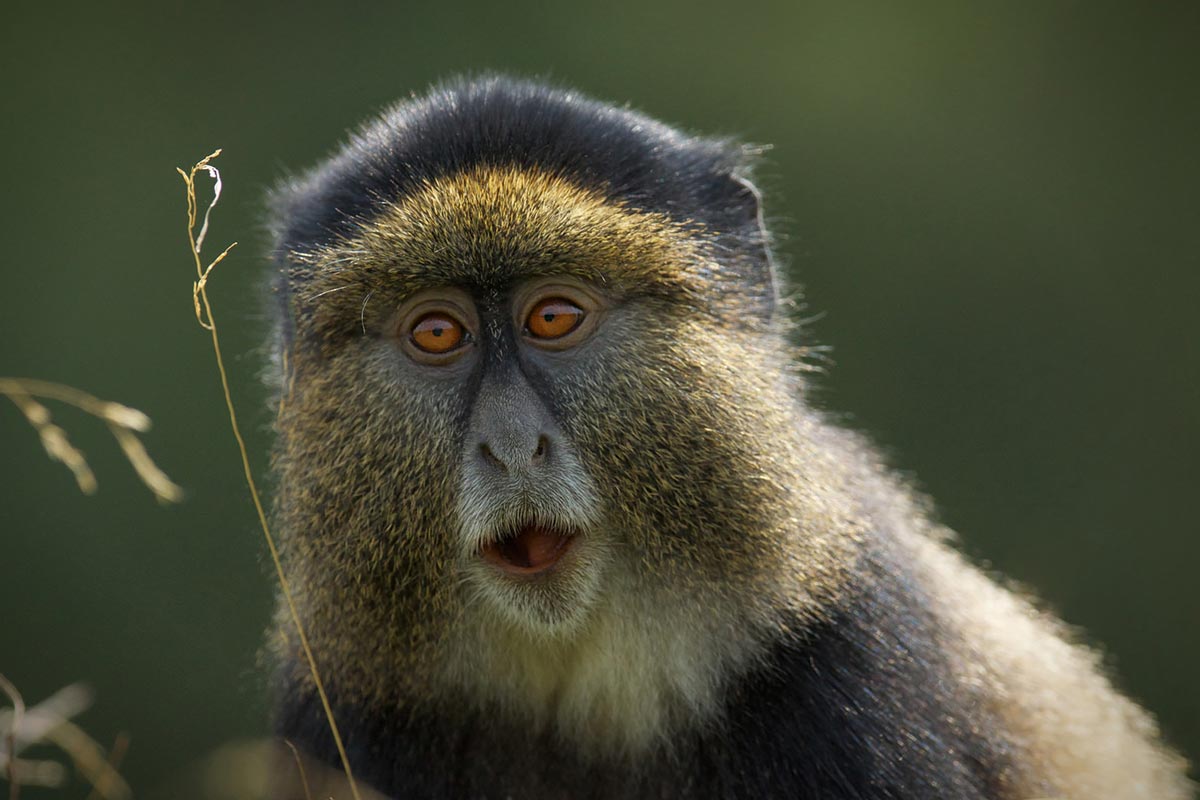
Volcanoes National Park: The best site for mountain gorilla trekking and tracking golden monkeys. It is in the north, and it will take you about 2.5 to 3 hours to drive from Kigali. You need to book permits well in advance.
Nyungwe Forest National Park: The oldest montane rainforest, known for chimpanzee tracking and an offering of a spectacular canopy walkway.
Akagera National Park: Located in the east, this is Rwanda’s savannah park that can offer classic safari game drives and spotting the Big Five.
Climate: The county enjoys a cool, pleasant tropical highland climate. It has two dry seasons (June to September and the second dry season from December to February), which are the best times for hiking and viewing wildlife, and then has two wet seasons, which are the best times for birdwatching and enjoying the lush green scenery.
For more information about what you need to know about Rwanda, do not hesitate to contact us at Nyumbu Beyond Journeys; we shall plan and then design for you the wonderful safari experience that will offer you the unforgettable safari memories.