
Wildebeest Migration in Kenya : When, Where & How to Experience it.
The great wildebeest migration in Kenya is one of nature’s most incredible spectacles. That is often called the “World Cup of Wildlife”; it involves over 1.5 million wildebeest, 400,000 zebras, and then 200,000 gazelles traveling in a massive loop between Tanzania and Kenya.
While the migration is a year-round cycle, the Masai Mara National Reserve in Kenya becomes the star of the show during the dry season, offering travelers a front-row seat to the most dramatic wildlife scenes on the planet.
When to go: The best months.
To see the migration in Kenya, timing is everything. Although the animals are always on the move, they typically arrive in Kenya’s Masai Mara between July and October.
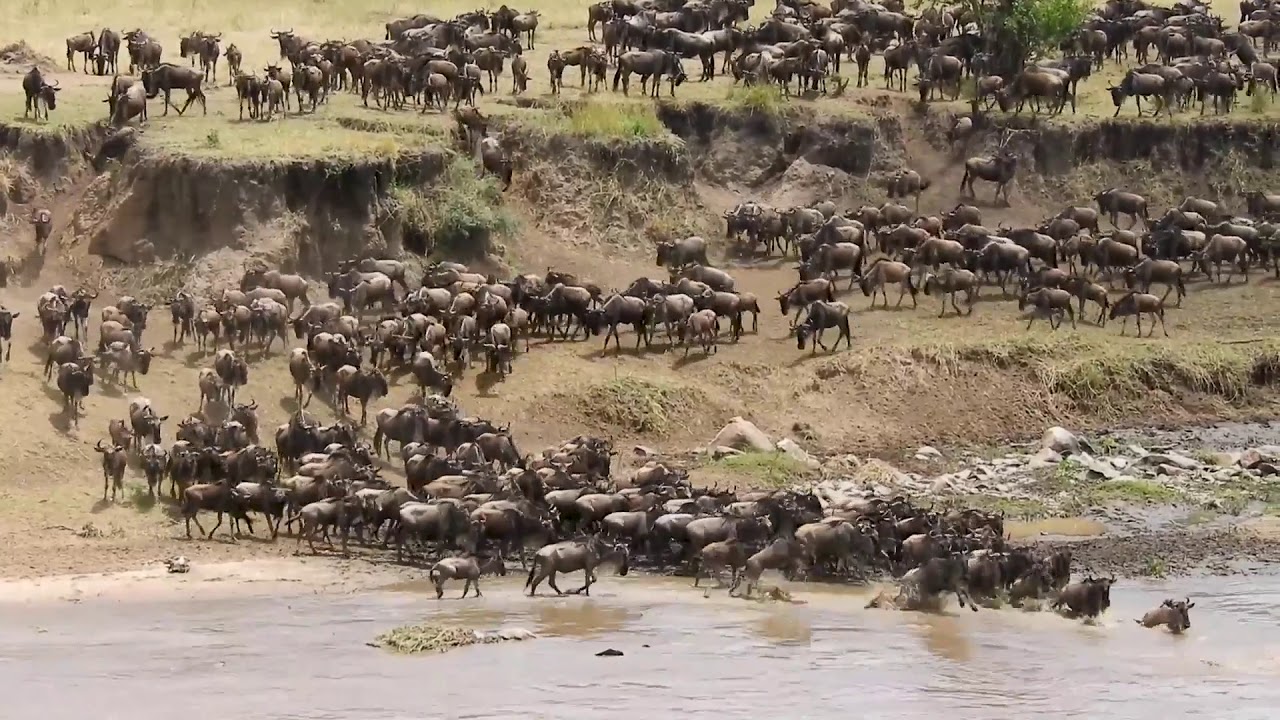
July and August: this is the peak of the action. The herds have moved north from Tanzania and then begin the famous river crossings. If you want to see the ‘’big show,’’ these are the months to book.
September and October: The herds are settled in the Mara, feasting on the green grass. This is a fantastic time for predator sightings, as lions, leopards and cheetahs take advantage of the massive influx of prey.
November: As the “short rains” begin, the herds sense the change and then start moving back south toward Tanzania’s Serengeti national park.
Where to see it: The Mara River Hotspots.
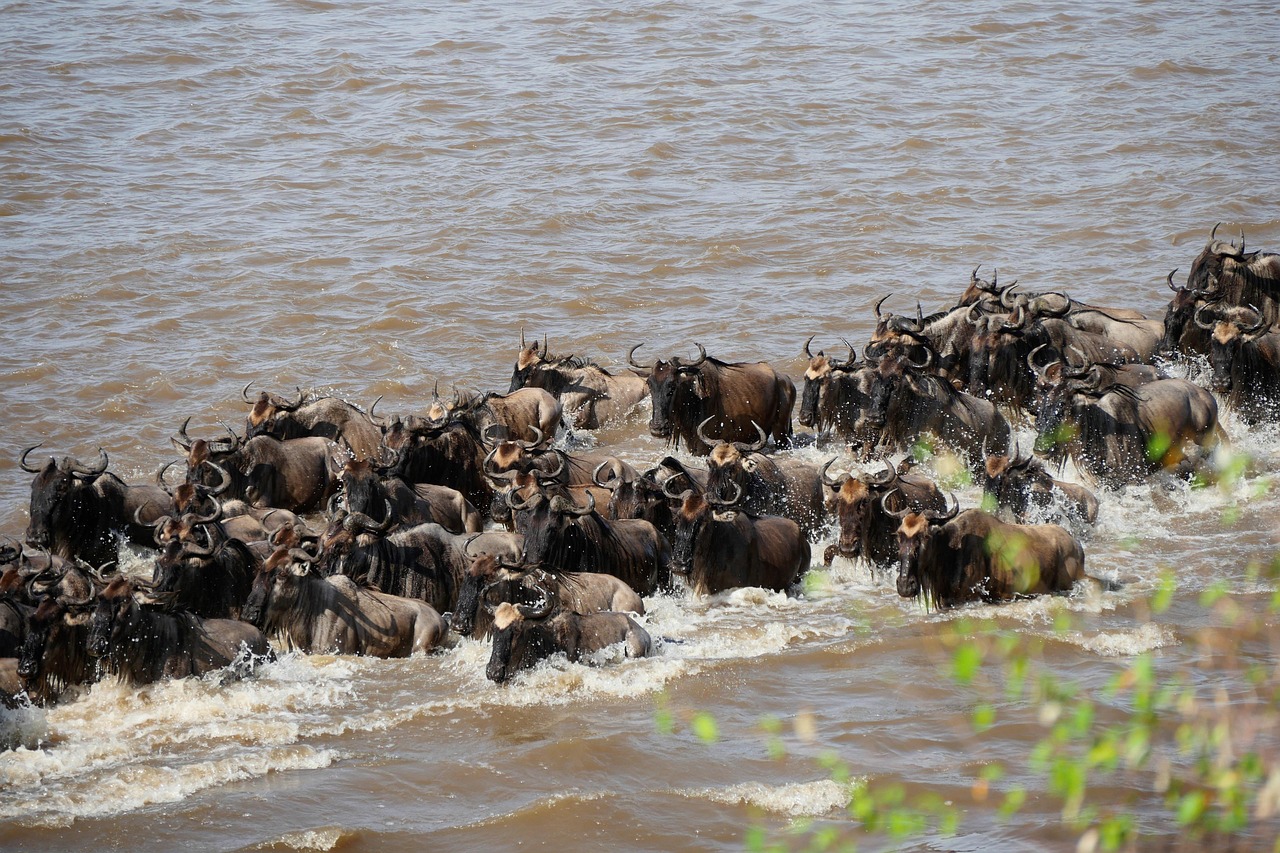
The most famous “where” in this journey is the Mara River. This is the natural barrier that the animals must cross to reach the fresh grass in Kenya. There are several specific crossing points along the river where herds gather by the thousands, hesitant to jump into the crocodile-infested waters.
For a more exclusive experience away from the main park crowds, many travelers choose to stay in private conservancies like Mara North or Olare Orok. These areas border the main reserve and they offer a quieter atmosphere while still being close enough to drive to the river for the big crossings.
How to experience it: Safari styles.
There are several ways to enjoy this wonder, depending on your budget and sense of adventure.
Game drives: the classic way to see the migration you will head out in a 4×4 vehicle with the professional guide who knows how to track the herds. Many lodges offer “full-day” drives with a picnic lunch so you can wait by the river for a crossing.
Hot air balloon safaris: For a truly breathtaking view, you can float over the savanna at sunrise. From the air, you can see the true size of the migration, the huge ‘’black lines’’ of animals stretching as far as the eyes can see.
Walking safaris: Some private conservancies allow guided bush walks. While you will not get as close to the herds as you would in a car, feeling the ground beneath your feet and then hearing the distant thunder of hooves is a thrill like no other.
Pro-Traveler tips.
Book early: Book this is the most popular time to visit Kenya; the best lodges often fill up 12 months in advance.
Be patient: A river crossing is not a scheduled event. You might sit by the river for three hours watching the wildebeest look at the water before they finally decide to jump. Your patience will be rewarded.
Pack layers: Even though it’s Africa, early morning game drives can be very chilly. Bring a warm fleece or jacket that you can take off as the sun gets hot.
In conclusion, The great migration is more than just a vacation; it is a raw, powerful display of life and then survival. Whether you are watching a wobbly zebra foal reach the riverbank or a pride of lions stalking the herds, it is an experience that stays with you forever with Nyumbu Beyond Journeys.