
Ultimate Guide to planning your first Ugandan safari adventure.
Uganda, commonly referred to as the “Pearl of Africa,” has significant natural beauty and offers an extraordinary safari experience. From the excitement of meeting a mountain gorilla to experiencing the Big Five on the open savanna, your first trip to Uganda will be a wonderful adventure. The thought of planning this trip and arranging the practicalities may seem overwhelming, but it can all come together by following a few basic steps to refine your itinerary.
1. Identify Your Own Safari Style and Interests
The first aspect to consider is simply what it is that you would most like to see. Uganda has a range of wildlife experiences.
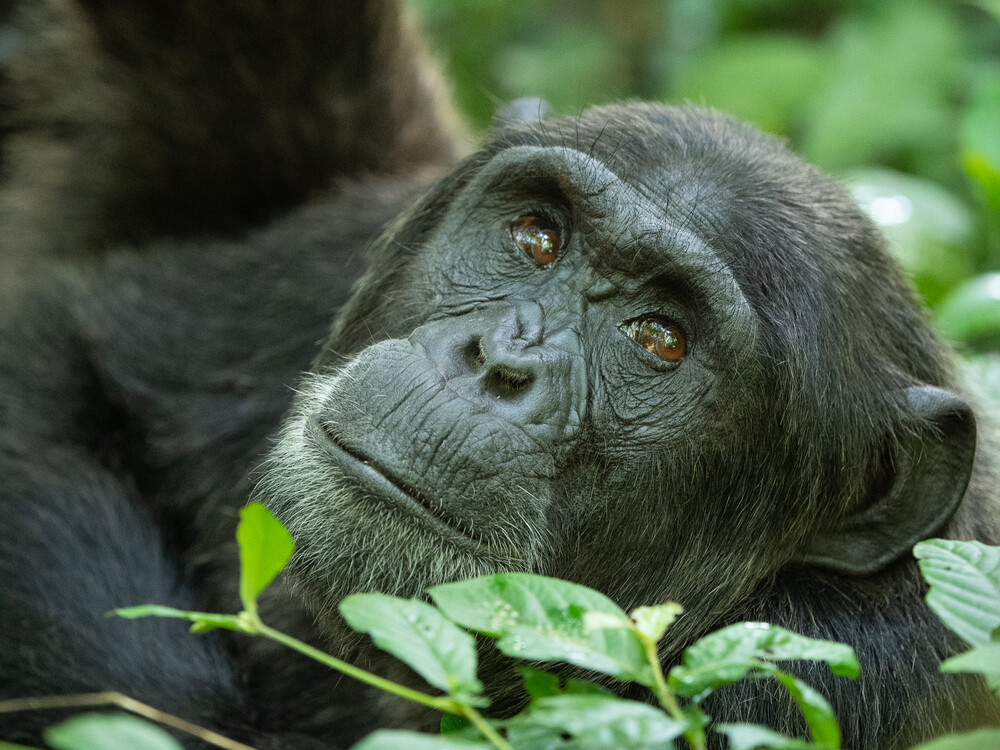
The Primate Focus: If looking to see mountain gorillas (Gorilla gorilla) is your main aim, your trip will be situated mainly around either Bwindi Impenetrable Forest National Park or Mgahinga Gorilla National Park. If you’re interested in seeing chimpanzees (Pan troglodytes), your itinerary will include Kibale National Park.
The Classic Wildlife Focus: If you’re interested in a more traditional game-viewing style safari where you will be searching for lions, elephants, and leopards, the best choices are Queen Elizabeth National Park and Murchison Falls National Park.
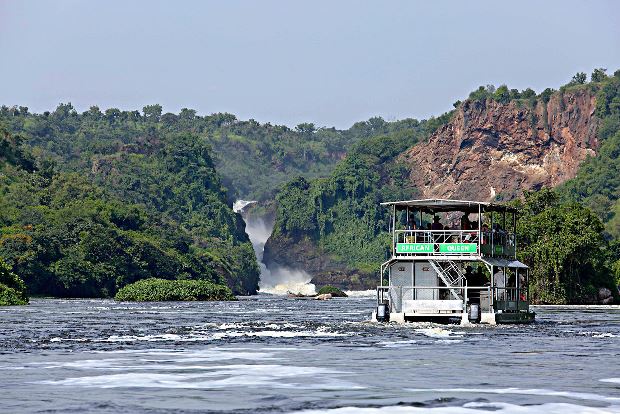
The Balanced Trip: Most first-time Uganda visitors will usually fall into the mixed approach of gorilla trekking and a more traditional wildlife safari experience. For a good experience, it is often recommended that travelers have a trip 8 to 10 days in total length.
2. Get your important trekking Permits Early
The most important consideration for a primate trip is obtaining your permits; you would need to schedule this for 1-4 months in advance because they are very limited.
Gorilla Trekking Permits: they are currently $800 USD for a Foreign Non-Resident and sell out quickly, especially during peak season.
Chimpanzee Trekking Permits—$200 USD approximately.
It is highly recommended to book your safari with a registered local tour operator like Nyumbu Beyond Journeys. They are knowledgeable about Uganda and will take you through this permit process for you, building your entire trip around the confirmed permit dates.
3. Select the Right Time to Travel
Uganda has a mild climate all year round; however, there are certain seasons that are better for certain activities.
Dry Seasons (Peak Season): December to February and June to August are the most popular months. The trekking trails are much drier and less slippery in the dry season and the animals in the savanna parks all congregate around the water sources, making them easier to see as well. This is the best time to do a gorilla trek.
Rainy Seasons (Low/Shoulder Season): March to May and September to November provide vibrant green scenery, fewer numbers of tourists, and usually reduced accommodation prices. Trails can be muddy, but rain typically occurs late in the afternoon, and these months are ideal for birding.
Plan for Health, Safety, and Travel Logistics Proper planning can make your experience smooth and easygoing.
Health: Visit a travel clinic at least two months before your trip. You are required to have a Yellow Fever vaccine to enter. Travel doctors will likely prescribe malaria prophylaxis, and you will want to take a strong bug spray with a high DEET content. You will also want to have comprehensive travel insurance to address healthcare needs or travel delays and cancellations.
Visa: Most visitors need a tourist visa (currently $50 USD) or the East African Tourist Visa ($100 USD if you are visiting Uganda, Rwanda, and/or Kenya). You generally can apply online for a visa. Your passport should be valid six months past your entry into Uganda.
Collaborating with an Operator: For those going on safari for the first time, traveling with a prearranged all-inclusive safari package is the most straightforward way to go. Your local operator will organize a dedicated guide and driver, who will look after all your transport, accommodation bookings, and park arrangements, leaving you with the enjoyable duty of focusing on your safari.
- Pack the Right Kit
Traveling to parks often involves small cars or planes with limited luggage space (15kg or lbs is common), so packing smart is crucial. Clothing: Bring lightweight, quick-drying, neutral-colored clothing (greens, browns, and khaki). Long sleeves and long trousers are important to ensure you are protected when trekking and are still required at night against insects.
Hiking Boots: Solid waterproof boots are an absolute must for gorilla and chimp trekking.
Essentials: A light rain jacket or poncho, a good broad-brimmed hat, sunglasses, sunblock, a good camera with a zoom lens, and a pair of binoculars. I’d also suggest a pair of gardening gloves for gripping and pulling ourselves up the often slippery paths through the rainforest.
By addressing these steps defining your interests, procuring permits, choosing timing, preparing documents, and packing you are well on your way to an amazing first Uganda safari.